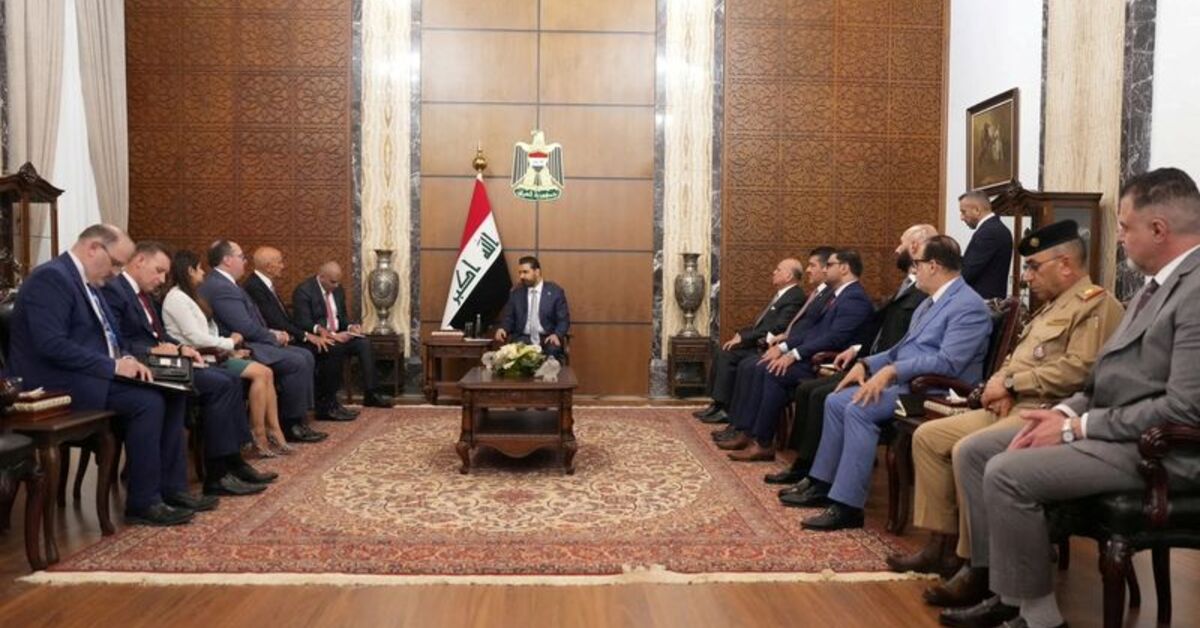
Thomas Barrack, the U.S. presidential special envoy to Iraq and Syria and ambassador to Turkey, advocated for a firm run by his business partner to participate in the development of a $15 billion oil pipeline project, according to three people with direct knowledge of the discussions. The activities appear to violate federal ethics rules, though legal experts disagree on whether they constitute criminal violations.
In July 2026, Iraq and Syria signed memorandums of understanding with a consortium including TI Capital, a California-based investment group, along with Chevron and Qatar's UCC Holding, to conduct technical and financial studies for rehabilitating the Kirkuk-Baniyas Pipeline. The pipeline would bypass the Strait of Hormuz chokepoint, a critical global oil shipping route. Barrack maintains a longstanding business relationship with TI Capital and its founder Ziad Ghandour. According to public records, at his 2025 confirmation hearings, Barrack held a financial interest entitling him to as much as one-fifth of the profits from a real-estate venture near San Francisco managed by TI Capital, with Ghandour serving as chief executive. He stated at that time his intention to retain this interest.
On June 16, one month before the consortium agreement was signed, Barrack and Iraqi Prime Minister Ali al-Zaidi issued a joint statement commending Iraq's decision "to advance a memorandum of understanding with TI Capital to rehabilitate the Kirkuk-Baniyas Pipeline." According to two people with direct knowledge, Barrack had pressed Syrian and Iraqi officials to include Ghandour's firm in the project. The joint statement made no mention of Chevron or UCC Holding in connection with the pipeline. Reuters found no evidence that Barrack stands to profit directly from the pipeline or other associated projects.
Ethics lawyers consulted by Reuters reached conflicting conclusions about the legal implications. Two ethics lawyers stated that Barrack's ties to Ghandour would not constitute a criminal conflict of interest unless he stood to directly profit from the pipeline itself. However, Richard Painter, a former chief White House ethics lawyer and professor at the University of Minnesota Law School, characterized the advocacy as "a serious problem" under federal regulations that prohibit officials from participating in matters that call into question their impartiality due to personal or business relationships. Painter noted that the impartiality rule can be triggered by involvement of a business associate in a project, regardless of whether the official has a direct financial stake.
Ann Skeet, interim executive director at the Markkula Center for Applied Ethics at Santa Clara University, emphasized that "the ethical concern is the appearance of a conflict of interest." Don Fox, a former general counsel and acting director of the U.S. Office of Government Ethics, stated that Barrack's promotion of TI Capital would additionally violate regulations prohibiting officials from using their office to endorse any enterprise or for the private gain of people they are affiliated with. When asked what Barrack should have done to comply with ethics rules, Painter stated: "Have nothing to do with this pipeline. Completely recuse. Say this is not a matter I participate in."
According to a Reuters records request, Barrack has not filed a conflict-of-interest waiver with the U.S. Office of Government Ethics regarding his ties to TI Capital as the company participates in the pipeline project. In a signed ethics agreement before his confirmation hearings in 2025, Barrack committed to recusing himself from matters directly affecting the financial interests of the real-estate venture unless he first obtained such a waiver. Barrack's office and Chevron declined to comment on the matter. TI Capital, Ghandour, and UCC Holding did not respond to requests for comment.


