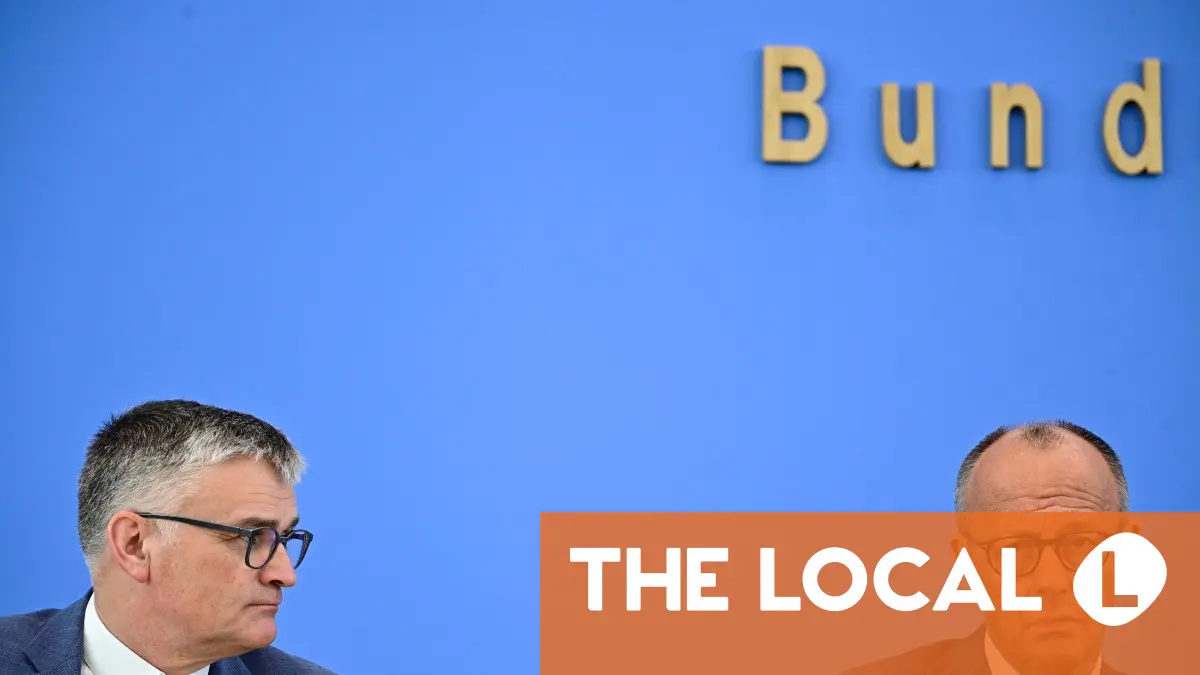
Germany said Saturday that it would continue to push for new European Union sanctions against Russia, maintaining its hardline stance despite a separate agreement reached between the United States and Russia on diesel exports. "The German government sticks to its measures sanctioning Russia and is working jointly with its European partners on new sanctions," German government spokesman Stefan Kornelius said in a statement. He added that Germany's "support for Ukraine in its struggle to defend itself remains unfailing."
The German position contrasts with a U.S. decision announced Friday to temporarily ease sanctions on Russian diesel. President Donald Trump announced on social media that he had secured an agreement with Russian President Vladimir Putin for Russia to supply diesel to American and global markets. According to Trump's announcement, Russia would immediately supply over 300,000 tons of diesel, followed by 500,000 tons in November and 1 million tons thereafter. Trump said that depending on the condition of Russian refineries, an additional 3 million tons would be delivered "within a short period of time."
To facilitate the diesel supply, the U.S. Treasury Department issued a temporary general license on October 9 authorizing the sale, delivery, and import of Russian-origin diesel fuel through April 7, 2027. Trump framed the move as essential to lowering energy costs for Americans, stating that "between our TOTAL CONTROL of the Strait of Hormuz, and this great announcement on Russian Energy, Diesel Prices for Americans and, indeed, the World, will be COMING DOWN, IN RECORD NUMBERS, AND FAST!" He identified lowering prices for farmers, ranchers, and truckers as his "greatest priority." Diesel futures fell approximately 4 percent following the announcement, though they remained more than 110 percent higher than at the start of the year.
The Trump administration's decision has drawn significant criticism, particularly from Ukrainian officials. President Volodymyr Zelensky called the arrangement "a weak decision" and "dishonest," stating that the move would provide Moscow with billions in revenue to sustain its war against Ukraine. "Allowing Russia to sell petroleum products is an investment in a war that must be ended, not prolonged," Zelensky said. He also expressed concern that the agreement undermined simultaneous peace negotiations, saying, "I believe our team is simply being used as a smokescreen."
Diesel prices have climbed significantly since February 2026, when the United States and Israel launched airstrikes on Iran, sparking a conflict now in its eighth month. Russia, one of the world's main diesel suppliers, had suspended exports of the fuel due to damage caused by Ukrainian drone strikes on its refineries. The suspension had been scheduled to expire at the end of October. On September 22, U.S. diesel prices hit a record high, and they stood at $6.27 per gallon on Friday before declining slightly following Trump's announcement.
The timing of the diesel agreement coincides with the approaching U.S. midterm elections on November 3, when Trump's Republican Party risks losing control of Congress as voters express frustration over rising costs of living. A week before Trump's announcement, the G7 had agreed to release 100 million barrels from strategic petroleum reserves in an effort to address price pressures.
Russian officials welcomed the agreement. Putin's investment envoy, Kirill Dmitriev, stated that energy cooperation between the two countries "will continue and benefit global markets." Russian Deputy Prime Minister Alexander Novak said Moscow was ready to increase supplies in October, with exports expected to rise further in November and December as refineries resume operations after maintenance.
The U.S. decision has also drawn criticism from some American lawmakers. Republican Representative Don Bacon told media outlets that the move "looks bad," adding that "the president has always had a moral blindness when it comes to Putin" and that "propping up Russia's war economy is terrible." Democratic Senator Richard Blumenthal, a co-author of bipartisan Russia sanctions legislation, called the decision an "embarrassment" and argued it would benefit Russia and China while undermining congressional efforts to pressure Moscow.