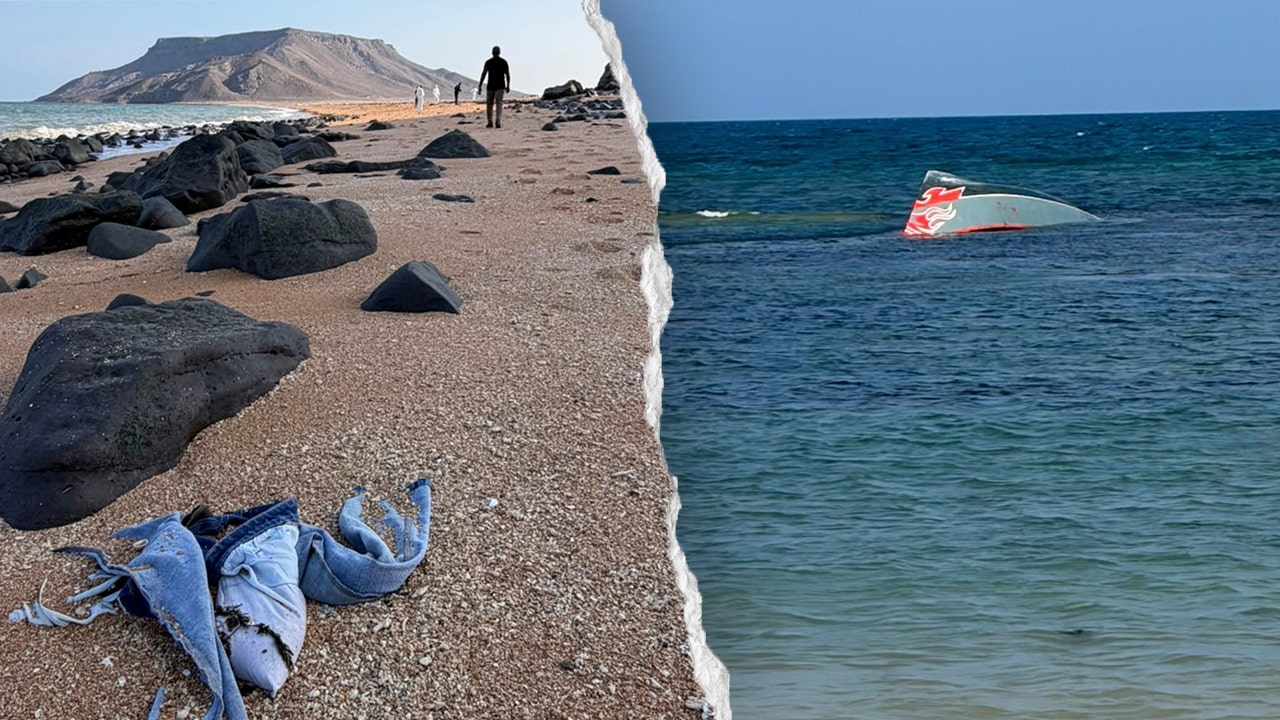
At least 139 migrants, including 15 children, died and approximately 84 remain missing after an overcrowded boat capsized off the coast of Djibouti, the United Nations' International Organization for Migration reported on Sunday, October 11. The vessel, carrying 305 people, sank on the night of October 8-9 while traveling from Djibouti toward Yemen near Guhere, north of the port town of Obock. More than 80 people survived the shipwreck, all identified as Ethiopian nationals, and were transported to an IOM rescue center in Obock where they received medical treatment and psychological support.
The IOM stated that the boat sank "mainly because it was overcrowded." Alexandre Coissac, the IOM's Chief of Mission in Djibouti, emphasized the scale of the tragedy, noting that some victims were buried in common graves without identification. "What is terrible is that they were buried with no names, in a common grave, like in a war situation," Coissac told the Associated Press. "They all have a mother, a father, and we may never learn what happened." The confirmed death toll reflects only victims buried by authorities in Djibouti; the total could rise as additional bodies are verified and as burials conducted by fellow migrants are documented.
The route from the Horn of Africa to the Arabian Peninsula is a common but dangerous path for migrants seeking employment in wealthier Gulf nations. Despite ongoing conflict in Yemen, migrants continue to undertake the crossing in hopes of reaching Gulf countries. According to the IOM, the journey presents multiple dangers including accidents at sea, trafficking, and arbitrary arrests. More than 900 migrants died or went missing along this route in 2025, as migrant traffic increased by 18 percent, according to the IOM's Missing Migrants Project.
IOM Director General Amy Pope called for urgent governmental action to prevent future tragedies. "No one gets into a boat like that unless they believe there is no other safe way," Pope said in a statement. "We cannot keep treating these deaths as normal. Safe and legal pathways save lives. I am asking governments and donors to act before the next boat goes down." The IOM has highlighted the connection between regional instability and migration pressures, noting that fighting in Yemen has escalated significantly since a UN-brokered truce ended in 2022, while recent conflict in Ethiopia has driven additional migration.
According to the IOM's situation reports, Ethiopian migrants interviewed cited difficult living conditions, including drought impacts, as reasons for departing their country. Some migrants also reported fleeing conflict and forced recruitment by armed forces. The latest escalation of fighting in Ethiopia began in late September, described as the largest conflict since the 2020-2022 Tigray war, further intensifying regional displacement pressures.
Djiboutian authorities are continuing search and rescue operations, with local officials providing medical care to survivors and arranging burials for deceased migrants. Photographs released by the IOM showed personal belongings of migrants, including worn sandals and sneakers, washed ashore on beaches near the capsizing site. The IOM stated that its teams are working alongside local authorities to provide emergency assistance to affected migrants.
Tens of thousands of migrants from the Horn of Africa transit through Djibouti annually, seeking passage across the Bab el-Mandeb Strait toward employment and safety in Gulf nations. The October 8-9 incident represents one of the deadliest shipwrecks on this increasingly perilous migration corridor. The tragedy has renewed international focus on calls from humanitarian organizations for expanded safe and legal migration pathways to reduce deaths along one of the world's most heavily traveled and dangerous maritime migration routes.