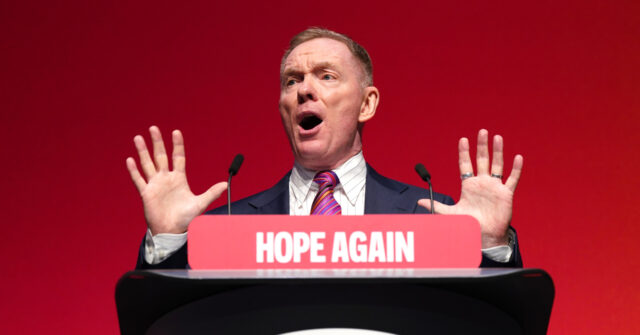
Britain's Northern Ireland Secretary Chris Bryant banned a contentious Orange Order march on October 9, declaring it was not in the public interest for the procession to proceed along Garvaghy Road in Portadown. The decision came after a two-week standoff between members of the Orange Order, a unionist organization, and residents of the predominantly Catholic republican neighborhood who opposed the march.
The dispute began when Orange Order members gathered on September 27 to undertake their planned march, only to be blocked by republican protesters, including Northern Ireland First Minister Michelle O'Neill. Tensions escalated when a court ruling earlier in 2026 appeared to clear the way for the Orange Order to march down Garvaghy Road for the first time in almost three decades. Garvaghy Road had been a flashpoint during the period of violent conflict in Northern Ireland known as the Troubles, which largely ended following the 1998 Good Friday Agreement.
The Orange Order's summer marches are traditional celebrations of Protestant heritage and historic ties to the United Kingdom. However, the largely Catholic republican community has long characterized these marches as deliberately provocative and inflammatory. Bryant stated that he conducted talks with both Garvaghy Road residents and the Orange Order but was unable to reach a resolution. "I heard the concerns of people on all sides and I only regret that we could not reach a compromise on a way forward and that many residents across Portadown have felt anxious and worried," he said.
In his statement, Bryant called for all protests, rallies, and demonstrations to be halted, warning that continued escalation was unacceptable. "With this in mind, I call for all protests, rallies and demonstrations to be stood down. There is no excuse for a continued ratcheting up of tensions," he said. The standoff had raised broader concerns among officials that the dispute could trigger expanded conflict in Northern Ireland.
The Orange Order moved quickly to challenge Bryant's decision. On Saturday, October 10, the organization filed a legal challenge at the High Court in Belfast. Justice Denise McBride opened a hearing on the matter but adjourned it until Monday, stating the case was "not an emergency." The Orange Order has since called for urgent meetings regarding the ban, according to available reports.
The march ban highlights enduring tensions in Northern Ireland between unionist communities that support continued union with the United Kingdom and republican communities that favor reunification with the Republic of Ireland. While the 1998 Good Friday Agreement substantially reduced violence, disputes over parades and commemorations continue to generate friction between the two communities.