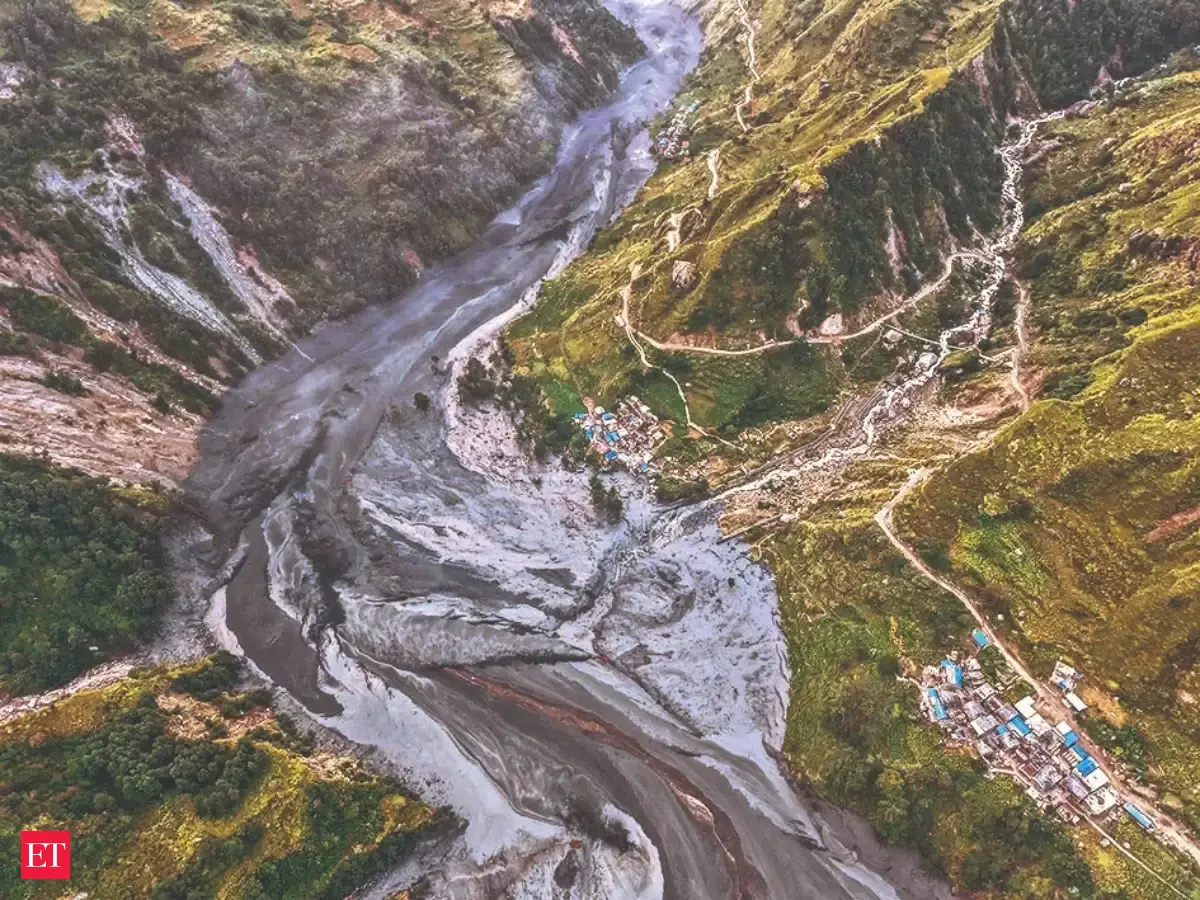
Nepal is facing a recurring cycle of flash flood disasters, according to reporting from the Economic Times. The exact dates and scale of the most recent flooding events were not specified in available sources.
Geographical and climatic factors make Nepal particularly susceptible to flash flooding. The country's mountainous terrain, combined with seasonal weather patterns, creates conditions where water rapidly accumulates and flows downslope with significant force. These natural features, while defining Nepal's landscape, also position the nation on a cycle of repeated disaster risk.
The question of whether India should be concerned about Nepal's flood crisis reflects the interconnected hydrology of South Asia. Rivers originating in Nepal flow into India, creating potential for cross-border impacts during major flooding events. However, specific details about the nature and extent of such risks were not elaborated in the available source material.
Nepal's repeated disasters suggest a pattern rather than isolated incidents, though the precise frequency and severity of recent events were not detailed in the sources consulted. Understanding why the country faces this recurring threat requires examination of both its natural geography and any human or infrastructural factors that may amplify flood risk.
The implications for regional stability and humanitarian response remain areas of active concern for policymakers in Nepal and neighboring countries. Information about official government responses, disaster preparedness measures, or international assistance efforts was not available from the sources reviewed.