President Donald Trump issued an executive order on Friday, October 16, waiving sanctions, restrictions and duties under the Graham Act, a bipartisan Russia sanctions law he signed on September 18. The move, which came days before major penalties were to take effect, has drawn criticism from Republicans and Democrats in Washington, according to CBS News and other outlets.
The law is named for the late Sen. Lindsey Graham, a South Carolina Republican who died before it passed. The Senate approved it 86-11. It authorized tariffs of up to 100% on major buyers of Russian oil and gas and targeted Russian officials, banks and energy interests. "I am hereby waiving the application of such sanctions, restrictions, and duties provided for in the Graham Act," Trump's order said. It added that he had submitted to Congress a certification that the waiver is "in the national interests of the United States." CBS News reported the order did not explain the decision. PJ Media reported the law's Section 115 gives the president waiver authority, and that the administration had not published the required explanatory report.
Sen. Thom Tillis, a North Carolina Republican who is not seeking reelection, called the move "beyond irresponsible" and asked, "What part of enforcing a law passed 86-11 by the Senate does the President and his advisors not understand?" Sen. John Cornyn of Texas said, "Lindsey would be appalled." Sen. Kevin Cramer of North Dakota said on CBS's "Face the Nation" that "capitulating to a bully generally means they're going to make more demands." Sen. Ted Cruz of Texas told Fox News on Saturday, "I wish the president hadn't done it. I think it was a mistake." Rep. Don Bacon of Nebraska wrote that the president "is prolonging the war, not ending it." Former U.N. Ambassador Nikki Haley called it "a terrible misjudgment of Putin."
Michigan Republican Senate candidate Mike Rogers said on CNN's "State of the Union" on Sunday that he would have voted for the sanctions bill and was skeptical the move would lower diesel prices. He rejected the idea that Trump is siding with Russia, saying the president is trying to cut prices while dealing with Iran. PJ Media reported that Sen. Darline Graham of South Carolina, who helped advance her late brother's bill, said she shares Trump's goal of ending the war but would maintain economic pressure on Russia.
Trump said on Sunday that imposing the measures now would "foolishly" push Russia away from the bargaining table, according to Stockmarketwatch, an automated summary. Secretary of State Marco Rubio said the president wants up to 60 days to examine the effects of the new sanctions and tariffs on the American and global economies. PJ Media noted the order contains no automatic 60-day expiration, and that it directs trade officials to monitor Russian energy purchases and sanctions evasion and preserves earlier sanctions.
The waiver follows a deal announced about a week earlier for the U.S. to import Russian diesel. CBS News reported the 300,000 tons involved equals about 2.2 million barrels, just over half of the roughly 4.1 million barrels the U.S. uses daily, and that experts say it will not offset oil disruptions from the Iran war. Energy Secretary Chris Wright called the deal "a carrot to try to end the war, not an economic lifeline" to Russia. Rubio said, "That diesel is going to be sold one way or the other." The administration faces pressure to lower fuel prices before the midterm elections.
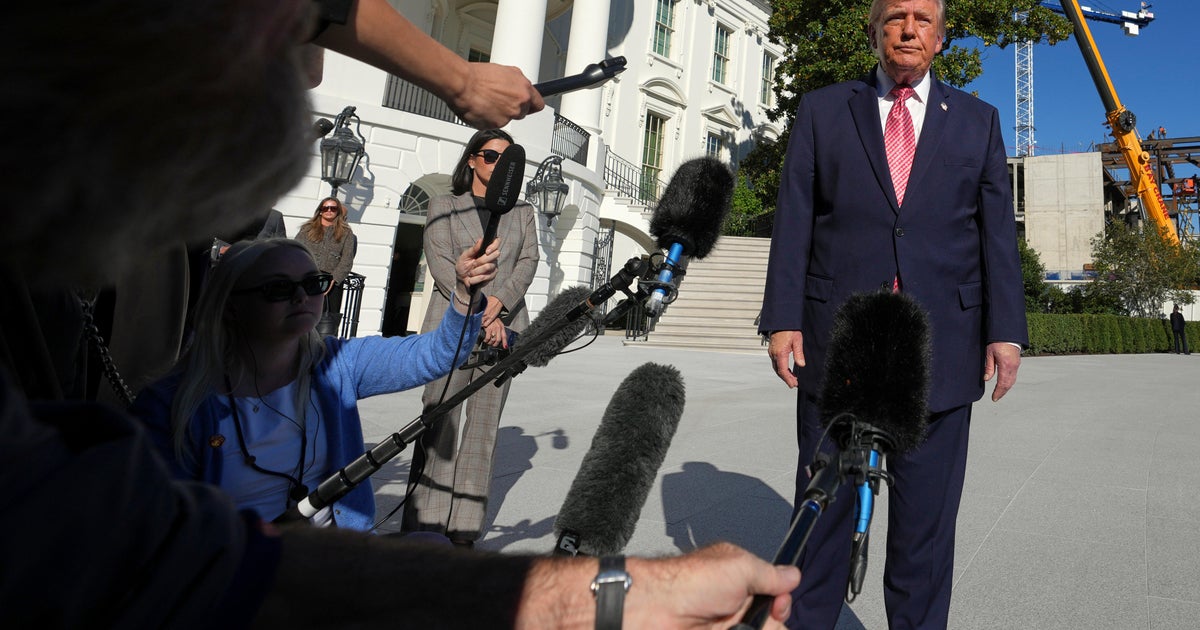
On Monday Trump told reporters that "Russia, frankly, has been fine on Ukraine" and that the U.S. has given Ukraine a lot while receiving nothing. Ukrainian President Volodymyr Zelenskyy said Russia recently struck energy sites, a medical clinic, a school, a metro station and residential buildings.