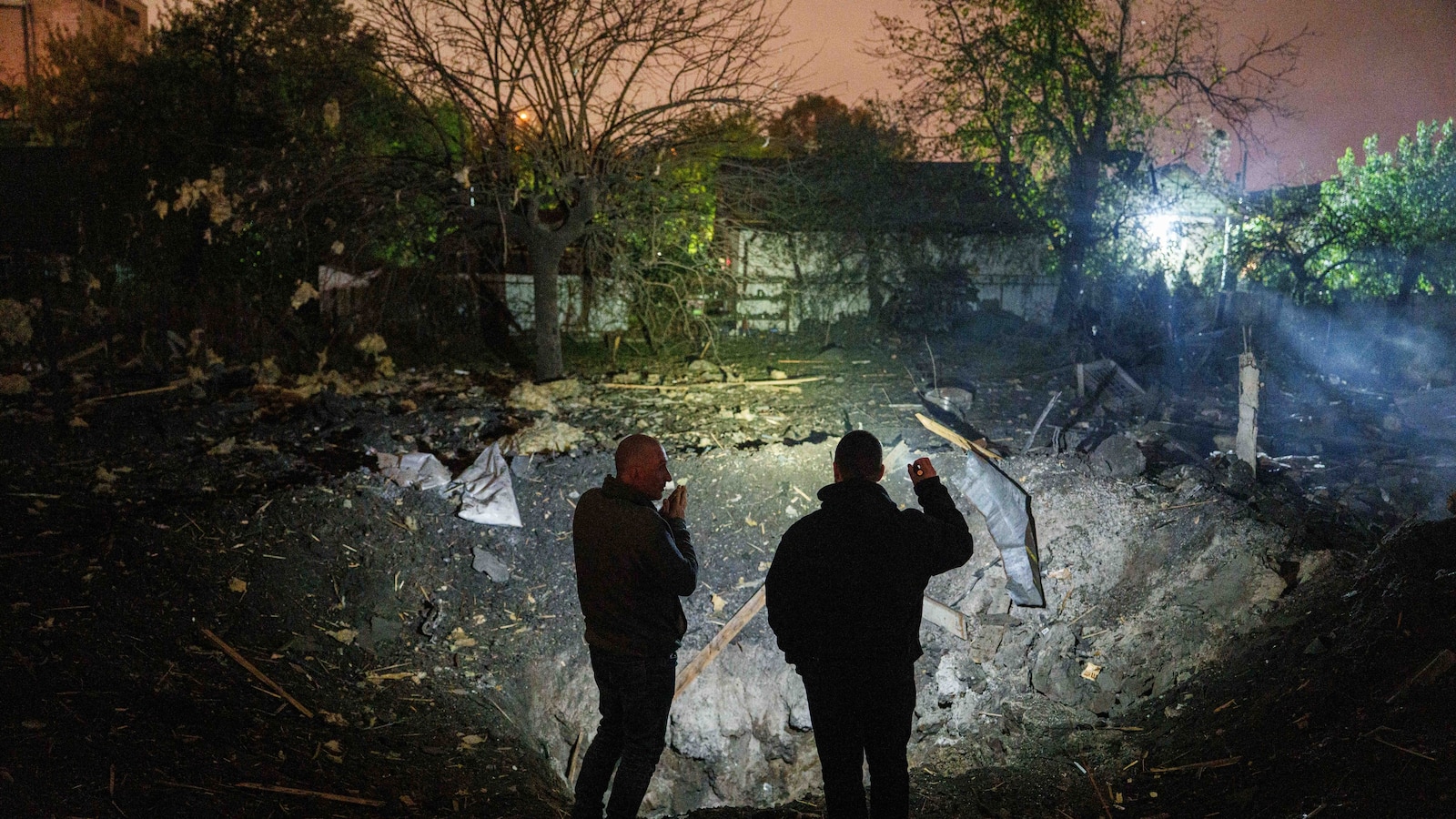
An independent commission of inquiry authorized by the Geneva-based UN Human Rights Council determined on Monday that Russia committed war crimes and crimes against humanity in Ukraine by intentionally attacking energy infrastructure. The conclusion, detailed in a report submitted to the UN General Assembly's human rights committee, centers on Russia's sustained campaign against civilian power systems that left millions of Ukrainians without electricity and heating during winter months.
Erik Mose, a former Norwegian judge and chair of the commission, announced the findings at a UN news conference, stating that the attacks on Ukraine's energy infrastructure constituted war crimes because they were "intentionally directed against civilian objects," and crimes against humanity for "inflicting great suffering to civilians." Mose noted that intensifying attacks as the approaching winter raises serious concerns about threats to civilians.
The commission based its conclusions on accounts from 255 Ukrainians who experienced winter conditions in Kyiv and eight other regions during 2025–26, supplemented by testimony from government officials, doctors, and civic organizations. According to the report, large-scale Russian drone and missile attacks significantly degraded Ukraine's thermal power generation capacity—reducing it by 70 percent in the most affected areas, according to Kyiv. Medical personnel documented deaths caused by low temperatures in homes and hospitals, with patients developing frostbite and hypothermia after being exposed to unheated premises. In some cases, an unusually harsh winter with temperatures dropping to as low as minus 22 degrees Fahrenheit compounded the suffering.
The commission also investigated Russia's recruitment of foreign nationals into its armed forces. It found evidence that men from 29 countries were recruited "through deception or coercion" in violation of international law. The recruits, aged 18 to 60, "came mostly from vulnerable and marginalized communities, with a poor economic background and a low education level," the report stated. According to the commission, agents operating in other countries presented themselves as legitimate businesses, arranged visas, and sometimes accompanied recruits who later discovered they had been signed into Russian military service on documents they did not understand.
Russia has rejected the inquiry's findings. Russia's UN Mission said on Monday that Russia does not recognize the commission's mandate and claimed its findings were based on "falsified data." Throughout the war, Russia has consistently maintained that its forces strike only military or military-related targets, or targets used by Ukrainian armed forces, despite multiple reports and evidence to the contrary. The Kremlin has not responded to requests for comment on the commission's latest report.
The Independent International Commission of Inquiry on Ukraine was established by the UN Human Rights Council shortly after Russia's full-scale invasion of Ukraine in February 2022. This is the commission's first report focusing specifically on the impact of Russia's wide-ranging attacks on Ukraine's energy infrastructure. The commission has previously reported on other aspects of the conflict, including allegations of sexual and gender-based violence by Russian armed forces and widespread forced deportations of Ukrainian children by Russian authorities.