The U.S. State Department approved on Friday the sale of 500 Patriot PAC-3 air defense interceptor missiles to Ukraine at an estimated cost of $2.1 billion. The purchase will be funded entirely by donations from Canada, Germany, and Norway routed through a U.S. program called JUMPSTART, with no American taxpayer funds involved, according to the State Department.
The Trump administration characterized the sale as a strategic move to strengthen Ukraine's security. "This proposed sale will support the foreign policy and national security objectives of the United States by improving the security of a partner country that is a force for political and economic stability in Europe," the State Department said in a statement. Lockheed Martin is the principal contractor for the sale, which the department said would have "no adverse impact" on U.S. defense readiness.
Ukrainian President Volodymyr Zelenskyy expressed gratitude for the approval and thanked President Trump, but emphasized the critical timing problem facing his nation. While welcoming the decision, Zelenskyy warned that the missiles could take years to arrive—a delay his government said it cannot afford given the intensity of Russian attacks. "We are asking for decisions that can guarantee the protection of lives not the day after tomorrow or sometime later, but at the very moment the threat is there," Zelenskyy said. He appealed to the United States and European allies to provide Patriot systems from their existing stockpiles while allowing the newly purchased missiles to replenish allied arsenals over time.
The need for rapid delivery reflects the scale of Russian bombardment. Zelenskyy reported more than 30 Russian strikes on Ukrainian energy infrastructure in the two weeks preceding the announcement, targeting systems critical to civilian survival. Ukraine has stated it needs to intercept around 150 Russian ballistic missiles per month but receives approximately 150 Patriot missiles annually from U.S. sources, underscoring a significant supply-demand gap.
The approval comes after Ukraine accused the Pentagon of delaying delivery of missile interceptors that other countries had purchased for Kyiv. Tensions between Zelenskyy and the Trump administration have mounted in recent weeks, including disputes over U.S. intelligence sharing and Starlink satellite internet service access. Ukraine said those services have since been restored. The Trump administration also drew criticism from Zelenskyy after waiving new sanctions on Russia shortly before they were scheduled to take effect.
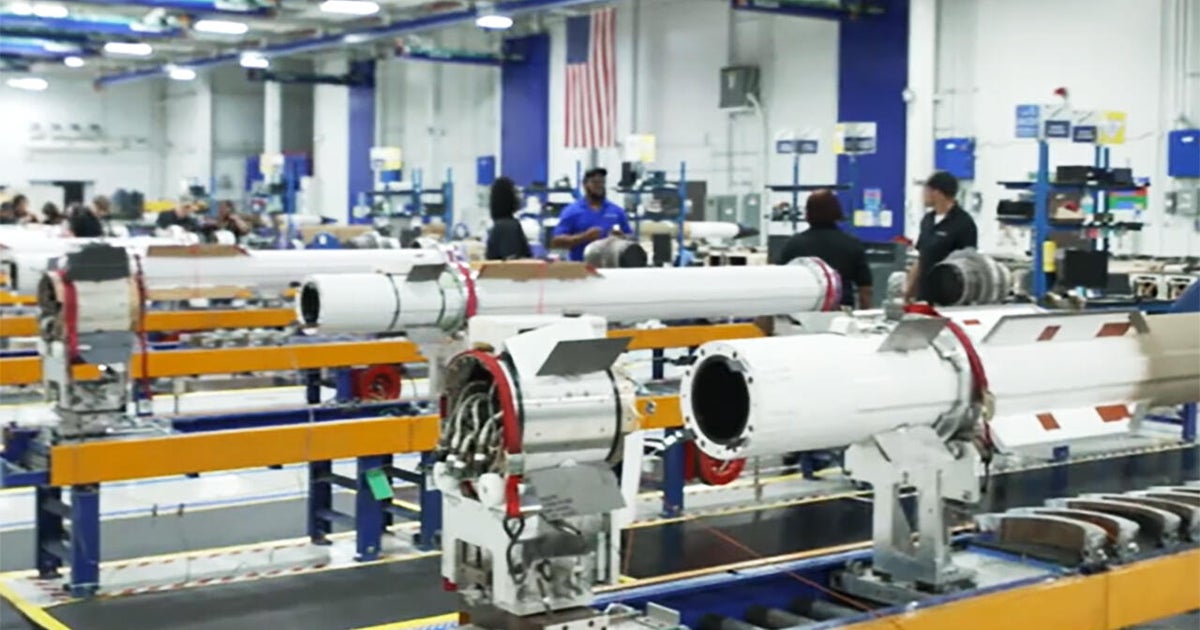
Weapons sales typically require years to fulfill, but officials have suggested that given Ukraine's urgent defensive needs, the Patriot interceptors may move to Kyiv on an accelerated timeline. Lockheed Martin announced in July that it would triple Patriot PAC-3 missile production capacity by the end of 2030 and increase employment at its Camden, Arkansas facility from 1,200 to approximately 1,850 workers, following a $58.6 billion Army contract. Pentagon negotiators are pressing contractors to increase production speed, with preliminary agreements in place aimed at expanding missile output.