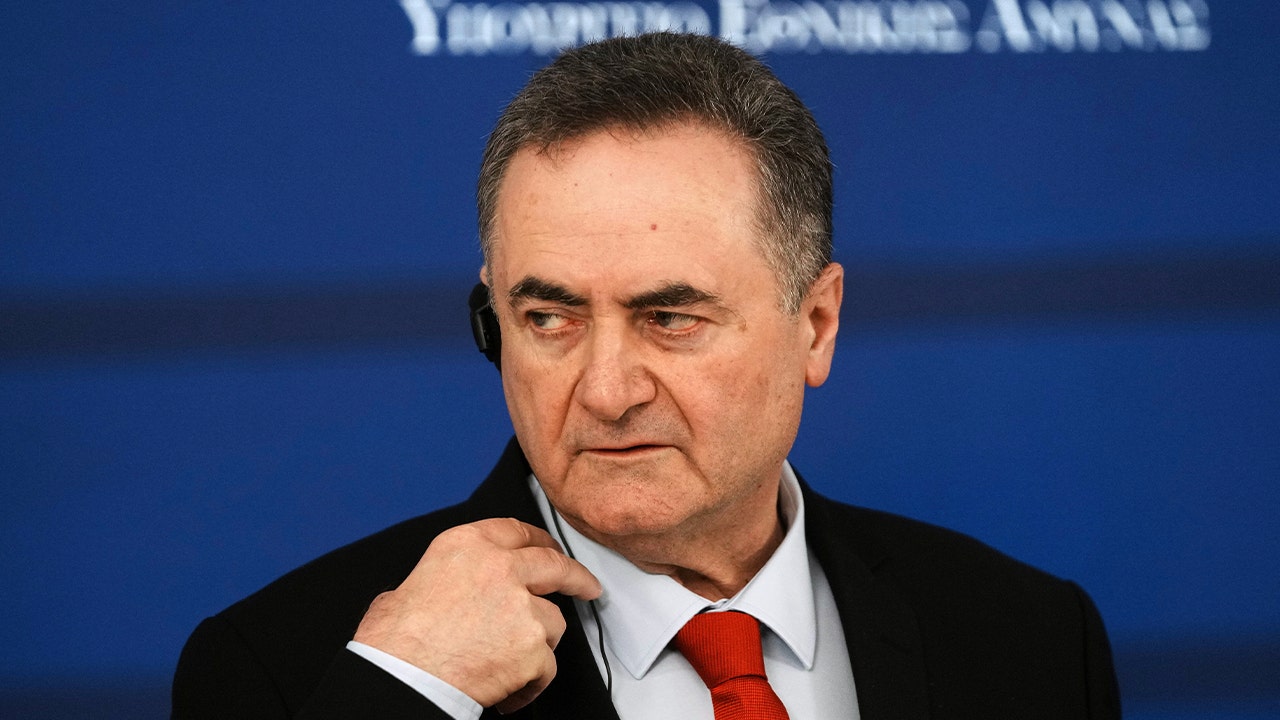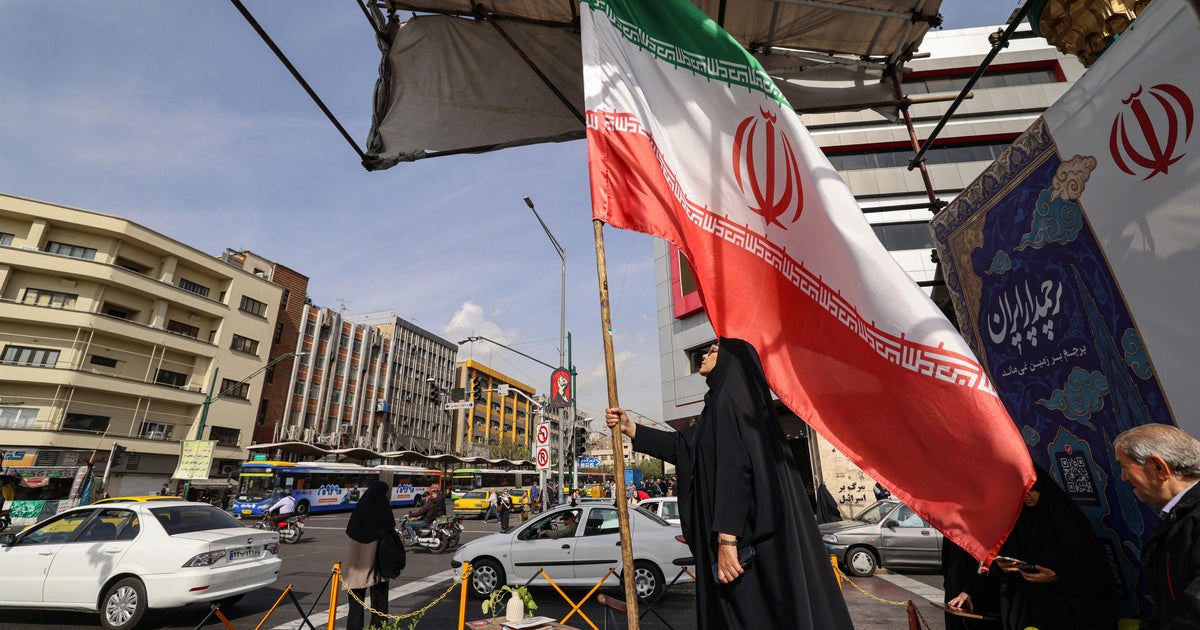
Iran's foreign ministry spokesperson said Monday that the next move in the standoff with the United States belongs to President Donald Trump. "The ball is in the U.S. court, because our demands have been stated very clearly and transparently, and Iran's demands are reasonable and logical," Esmaeil Baqaei told journalists in Tehran, according to CBS News.
Baqaei said the negotiations, brokered by Qatar, Pakistan and other mediators, center on a seven-day proposal Iran first presented to the U.S. in September. It calls for frozen Iranian assets to be released, the U.S. naval blockade to be lifted and fighting to end on all fronts, in exchange for a phased reopening of the Strait of Hormuz and further talks on other topics. CBS News reported that Trump rejected the initial proposal but that both sides have since exchanged revisions.
Qatari mediators held more than 12 hours of talks in Tehran on Friday, a source told CNBC, and the discussions then moved to Doha. Reuters, citing an official, reported that Iranian negotiators were in Doha on Sunday for a third straight day of talks, coordinated through regular contact with Washington. Foreign Minister Abbas Araqchi said discussions on a "two-day proposal" to reopen the Strait of Hormuz within two days of an agreement with Washington were continuing, with no final conclusion. He also said there were no plans to meet U.S. officials, calling reports of such a meeting "media speculation." The New York Post, citing Qatari and other media reports, described a draft framework that includes a possible transfer of Iran's highly enriched uranium to a third country; those reports have not been confirmed.
The talks come ahead of the Nov. 3 U.S. midterm elections. Reuters reported that Trump has said the U.S. will not launch new attacks before the vote but has not ruled out military action afterward. Speaking Sunday to Right Side Broadcasting Network before a rally in Iowa, Trump said, "Either they'll make a deal, or we'll just end it." Secretary of State Marco Rubio said Saturday that Trump has not decided on new strikes and would prefer a peaceful resolution. CNBC cited reports from The Wall Street Journal and The New York Times that the U.S. is preparing for possible renewed action.
Iran's Supreme Leader Mojtaba Khamenei said in a Telegram post Saturday that any threat must be met with an "immediate, impactful, and geographically unrestricted response." Reuters reported that Iran has said it would strike U.S. and Israeli targets in neighboring countries in response to new attacks, and that its military announced steps to strengthen readiness.
The war began Feb. 28 with U.S. and Israeli strikes on Iran. A preliminary agreement signed June 17 broke down within weeks, and the last confirmed U.S. strikes occurred Sept. 1, CNBC reported. Tensions in the Strait of Hormuz remain high: Iran said four tankers struck mines Friday, and Brent crude settled at $117.64 a barrel, its highest since the end of April.
On Sunday, Iran's foreign ministry also designated the U.K.'s Military Intelligence Services a "hostile group," accusing London of supporting "terrorist organizations" and of allowing U.S. forces to use British bases, CNBC reported.