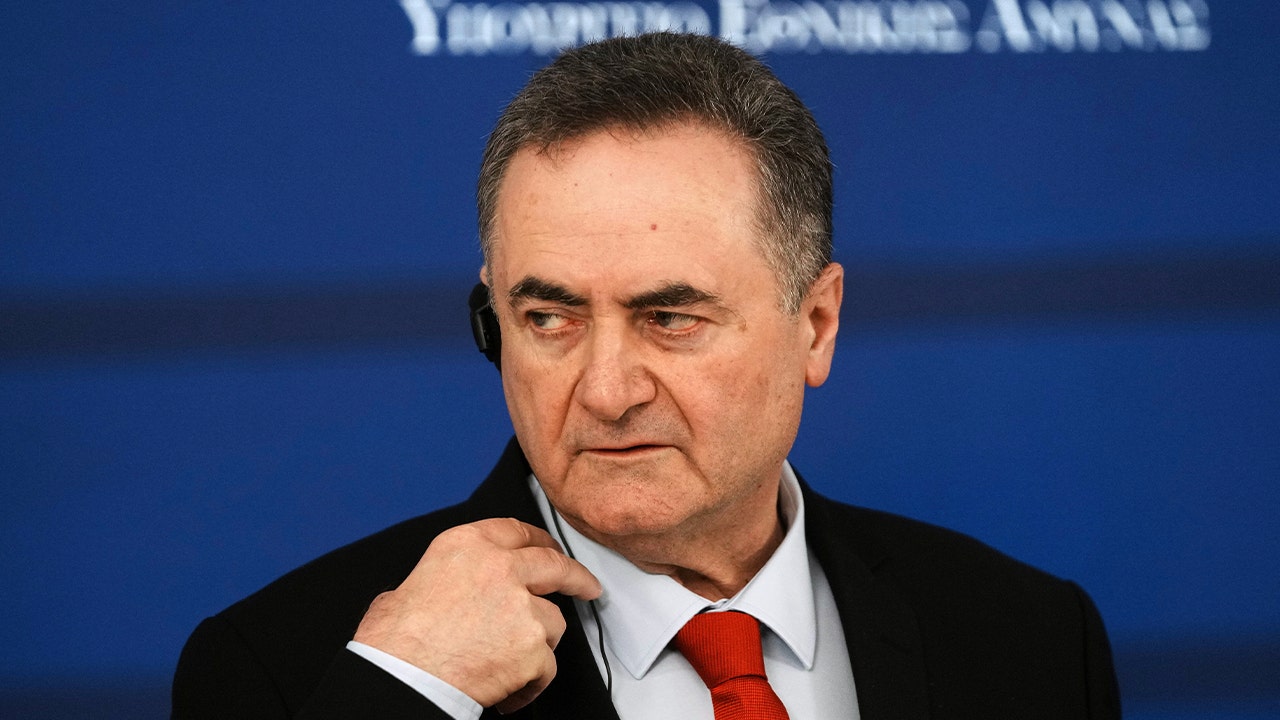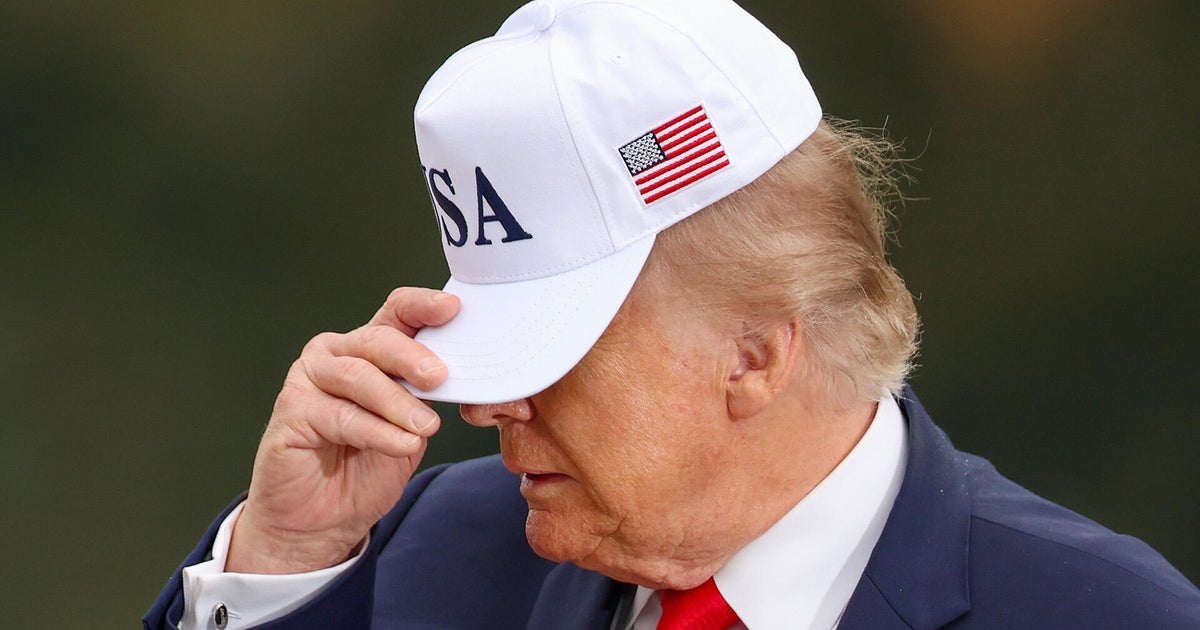
The United States carried out strikes on Iran's Qeshm Island, in the Strait of Hormuz, in the hours before U.S. midterm voting began on Tuesday, Nov. 3, and President Donald Trump confirmed them in a Fox News interview. U.S. media reported the strikes after explosions were reported on the island, according to Iranian media cited by the BBC.
On the 'Fox & Friends' show, Trump said: 'They built an anti-aircraft facility... As soon as it was completed, we hit it last night very nicely.' He described it as a 'minor attack.' U.S. officials, speaking to CBS News, called the strikes 'defensive' and 'limited' and said they were a response to Iran firing on a U.S. aircraft. An Israeli military spokesperson told AFP that Israel was not involved.
The strikes came just hours after Trump posted on Truth Social that a deal with Tehran 'could happen' and that 'Iran wants a settlement, as soon as possible.' He also told the Financial Times on Tuesday: 'We seem to be getting everything we want. I'm ready, we're ready. We're locked and loaded if we need to go, but there may be no reason for it.' Mothership.sg, citing the Associated Press, reported that sources had said Trump was planning to strike Iran again after the midterms; Trump played down such speculation.
Iran's reaction was mixed. Chief negotiator Mohammad Bagher Ghalibaf said Iran was 'ready for battle with its finger on the trigger' and that 'the ball is now in America's court to prevent war.' Deputy Foreign Minister Kazem Gharibabadi said Tehran retained the right to 'legitimate self-defence.' President Masoud Pezeshkian said the government was still seeking to resolve the crisis 'through dialogue' and that 'no one will benefit from this war' if it reignited.
The war began in February, when the United States and Israel launched a massive wave of strikes on Iran, and has been at a stalemate for months. Indirect talks are under way, with Qatar mediating. Qatari foreign ministry spokesman Majed Al Ansari said both sides are reviewing proposals and that Doha is working 'towards an interim deal.' Vice President JD Vance said Monday that 'we've certainly made some progress.'
A senior Iranian official said Tehran could reopen the Strait of Hormuz within two days, but only if Washington met Iran's long-standing demands. These include ending the war on all fronts, unfreezing Iranian assets, lifting oil sanctions and ending the counter-blockade of Iranian ports.
The midterms were dominated by public dissatisfaction with the war and the inflation it has stoked, according to AFP reporting carried by several outlets. On Sunday, Trump said the U.S. may have to give Iran 'the hammer' at some point and that he still had to 'take care' of one or two targets, including 'Pickaxe Mountain,' a suspected nuclear site that Iran denies is one.