Missouri voters blocked a Republican-drawn congressional map from taking effect for future elections through a ballot referendum held on Tue 2026-11-03, NBC News projected. The vote represented a significant defeat for GOP redistricting efforts in the state and concluded a contentious political and legal fight that stretched over more than a year.
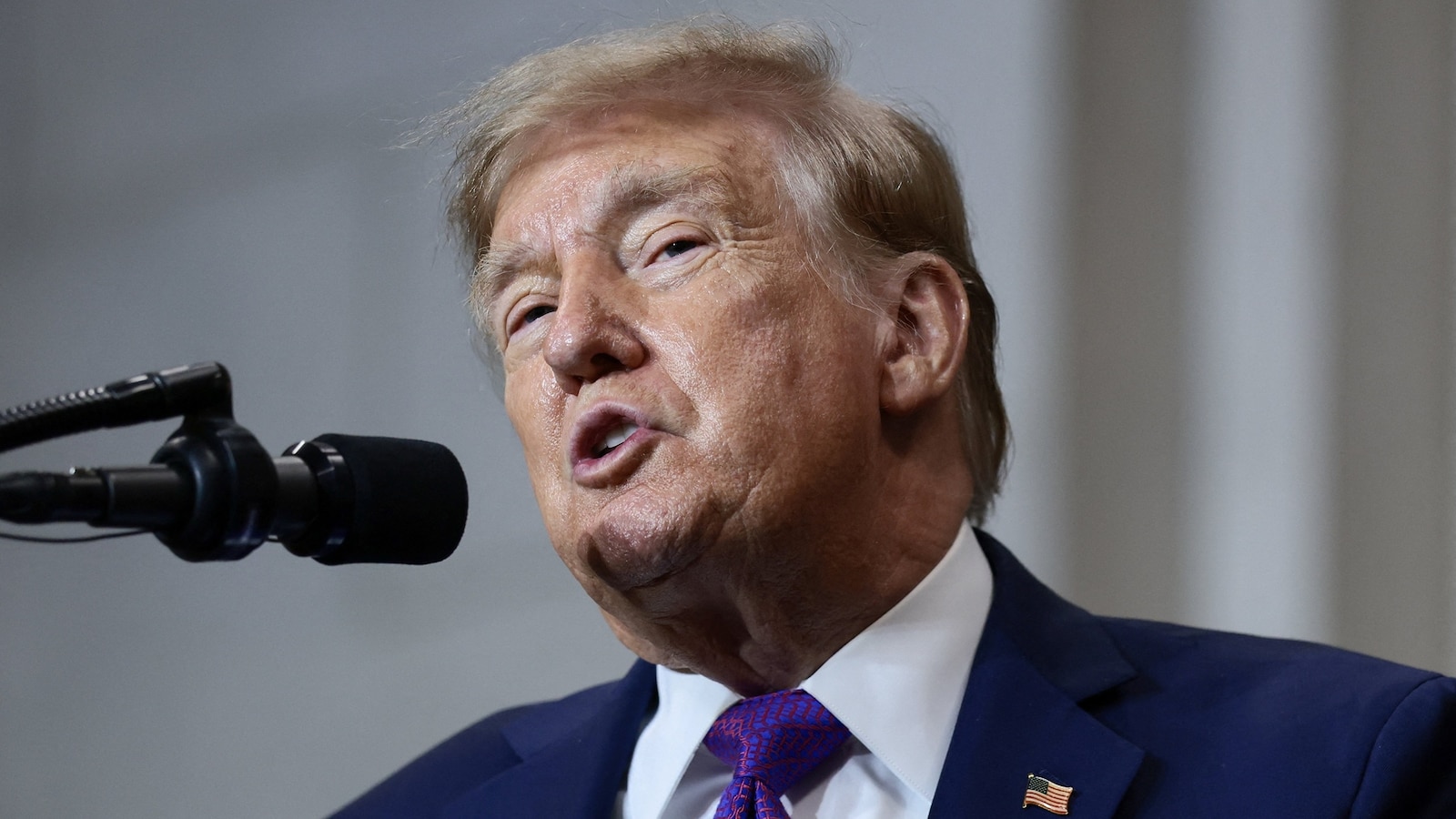
Missouri Republicans had passed new congressional district lines in 2025, redrawing one of the state's two Democratic-held districts to place longtime Democratic Rep. Emanuel Cleaver into a heavily Republican district. The state was among several GOP-led states that answered President Donald Trump's call for mid-decade redistricting to strengthen Republican representation in Congress.
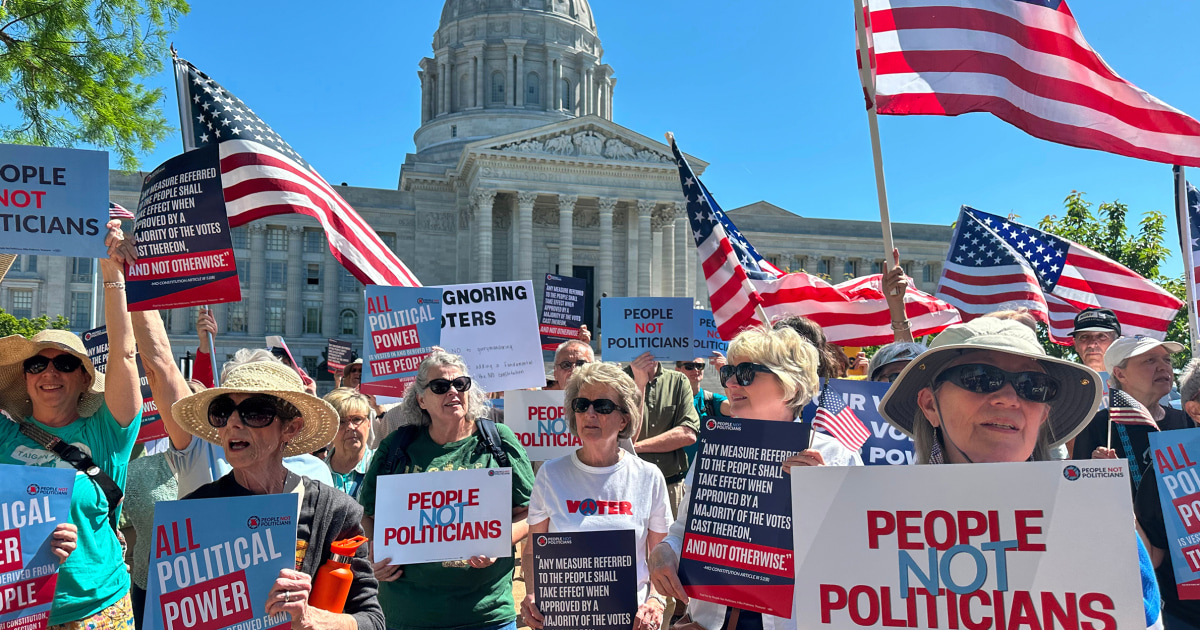
In response to the new map, a group called People Not Politicians Missouri gathered more than 300,000 signatures—well above the 106,000 required—to place a referendum on the ballot that would allow voters to veto the map. Missouri Republicans fought aggressively to implement the districts for this year's elections despite the pending referendum, with State Secretary of State Denny Hoskins, a Republican, refusing to certify the referendum for the November ballot by claiming it was unconstitutional.
The dispute escalated through state and federal courts, producing conflicting rulings at various stages. The U.S. Supreme Court ultimately rejected Missouri Republicans' efforts to use the redrawn map for this year's midterm elections three separate times, keeping the original districts in place.
The Missouri outcome reflects a broader national pattern. Nine states—Alabama, California, Florida, Louisiana, North Carolina, Ohio, Tennessee, Texas, and Utah—enacted new congressional maps ahead of the 2026 midterms outside the traditional once-per-decade redistricting cycle that follows the census. Courts also blocked redrawn maps in Virginia. Meanwhile, Maryland voters approved a constitutional amendment on Tue 2026-11-03 that would allow Democrats to redraw their state's congressional map, suggesting the mid-decade redistricting battles will continue into the next election cycle.
The redistricting disputes have been fueled by a major U.S. Supreme Court ruling this year that weakened the Voting Rights Act, which observers say opened the door for Republican-led states to dismantle majority-Black districts represented by Democrats. Democratic-led states, including Maryland, have signaled they intend to respond with their own redistricting efforts.