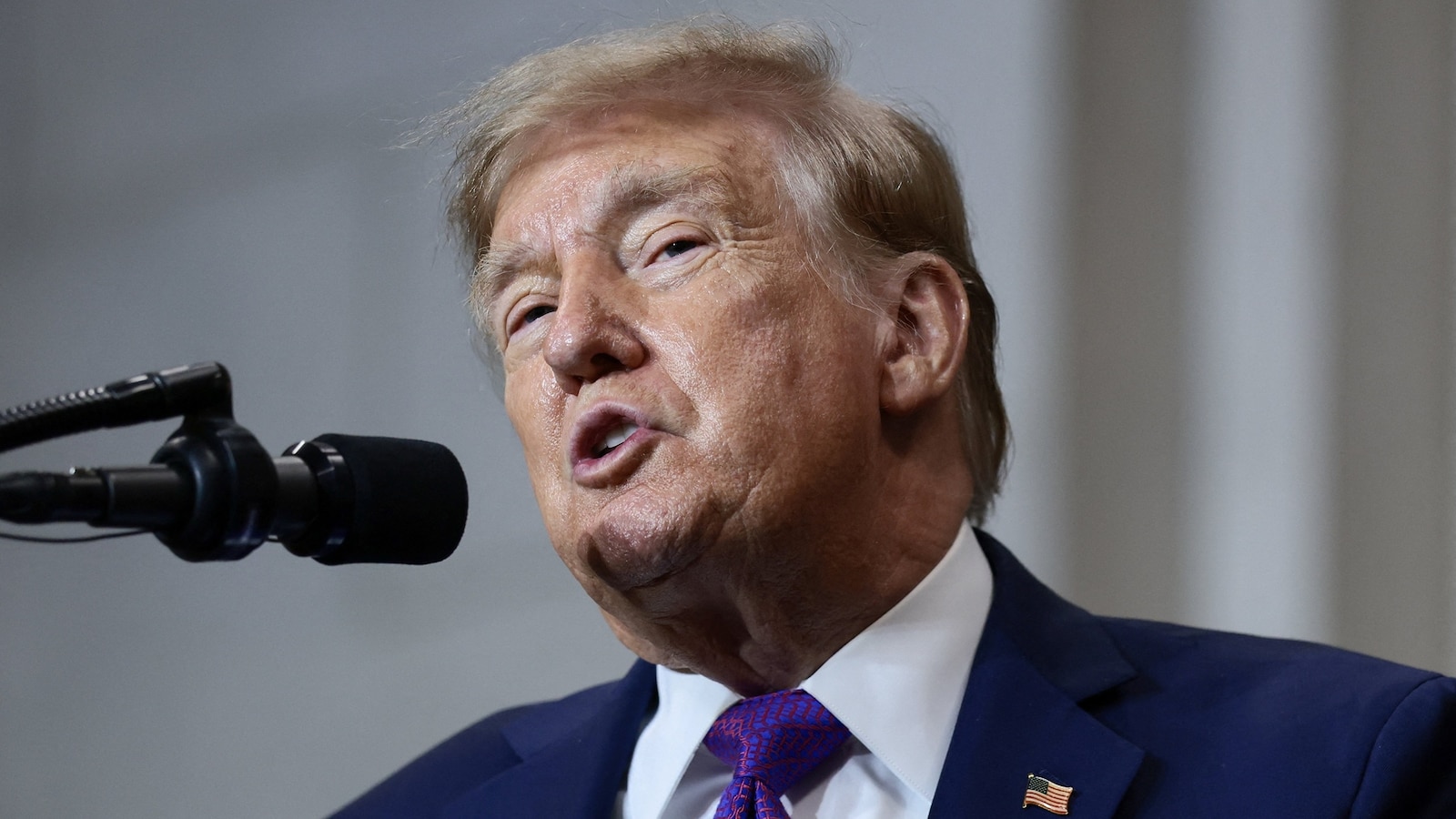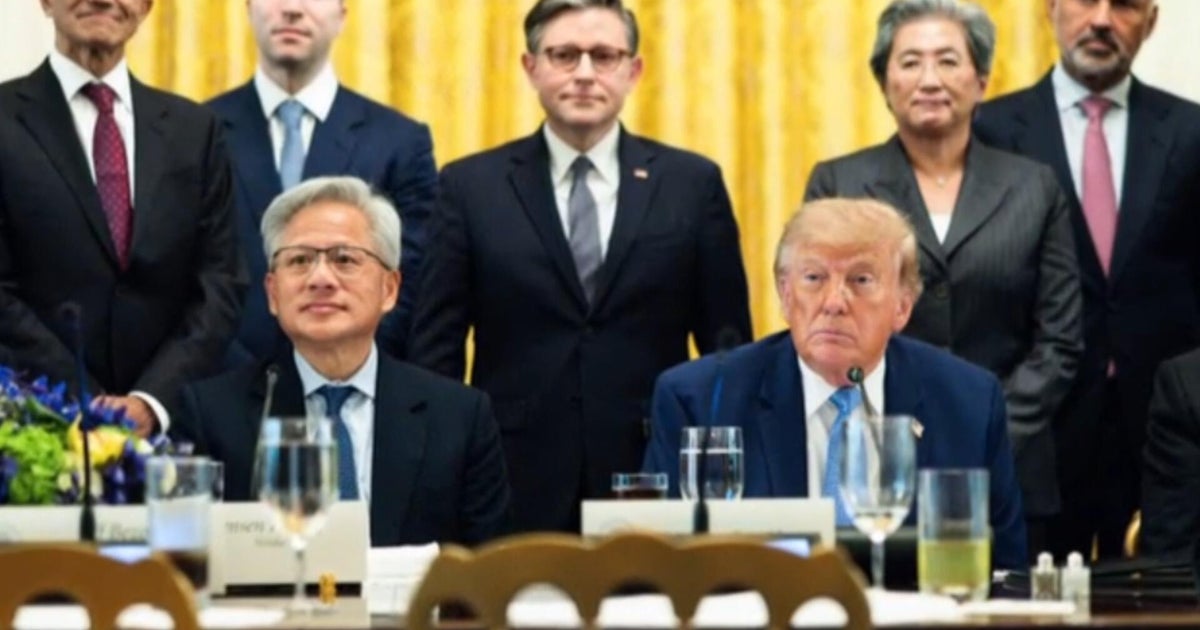
President Donald Trump acknowledged Friday that his aggressive immigration crackdown "might have been too tough" in a CBS "60 Minutes" interview recorded after Democrats won control of Congress in midterm elections held Tuesday, Nov. 3. Trump suggested he was open to sitting down with Democrats on the issue and said he would "love to do something on immigration." Yet despite these stated misgivings, immigration arrests have continued without interruption since the election, according to immigration advocates and federal officials reporting activity from California to Massachusetts.
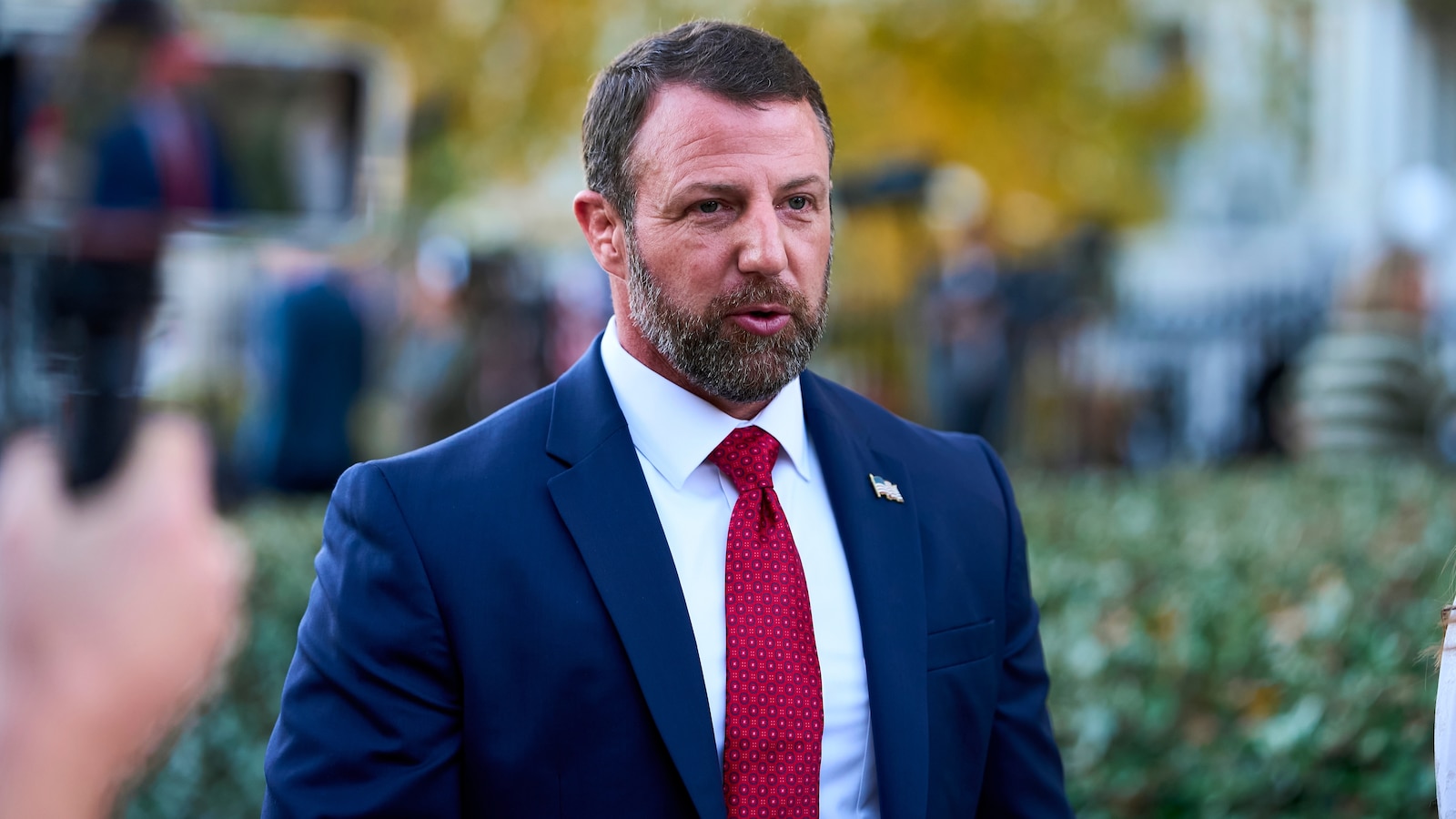
Homeland Security Secretary Markwayne Mullin made clear the policy trajectory has not changed. In an online post published the day after the election, Mullin wrote: "Deportations will continue," warning that U.S. Immigration and Customs Enforcement takes no days off and that enforcement will continue "on Thanksgiving, Christmas, and Election Day." The statement underscored the disconnect between Trump's public suggestion of a policy shift and the administration's operational stance.
The contradiction became starker when, hours after Trump's "60 Minutes" interview aired, he named Stephen Miller as his new chief of staff. Miller has been the primary architect of the administration's hardline immigration agenda, a move that advocates and observers interpreted as reaffirming commitment to aggressive enforcement despite Trump's softer public rhetoric.
On Saturday, Nov. 7, immigration officers in body armor blocked a hospital emergency room driveway in a heavily Latino neighborhood in Los Angeles. The Department of Homeland Security declined to explain the officers' presence, though the top Justice Department prosecutor in Los Angeles said they were bringing a detainee for medical treatment and that two people were arrested for assaulting federal agents. The hospital, Adventist Health White Memorial Medical Center, stated it does not participate in immigration enforcement. The same day, twin 19-year-old brothers from Venezuela were arrested in central Alabama while driving back to college, one day after the election.
In South Florida, María Bilbao, a campaign coordinator for the American Friends Service Committee in Miami, reported receiving at least one call daily from someone detained in the region since the election. "Everything remains exactly the same. The arrests have not ceased at all," Bilbao said. Florida Highway Patrol officers and ICE agents have detained people in cars as well as at supermarkets, pharmacies, gas stations, and even at ICE's Miami office when immigrants showed up for scheduled appointments.
A married couple from Orlando, Florida, Gustavo Romanello and Agustin Baccega, both from Argentina, were arrested Saturday at Phoenix Sky Harbor International Airport while traveling to attend a funeral. Both hold work permits while seeking asylum after entering the United States approximately six years ago, according to Jonathan Batchelor, a family friend. As the couple left the airport, officers identified themselves and arrested Baccega, with one officer stating that "asylum seekers are not in the United States legally."
Trump's subsequent comments have reflected ambiguity on the path forward. On Monday, Nov. 9, when asked about immigration policy, Trump defended his administration's deportation efforts as "very strong" and explicitly rejected any deal that would include "amnesty" for immigrants living in the country illegally, contradicting his earlier suggestion of flexibility. "There won't be amnesty," Trump told reporters. "My policy hasn't changed." When asked whether he had discussed policy changes with Stephen Miller, Trump said no. The mixed messaging reflects what observers describe as the complexity of finding common ground on immigration in a divided Congress.