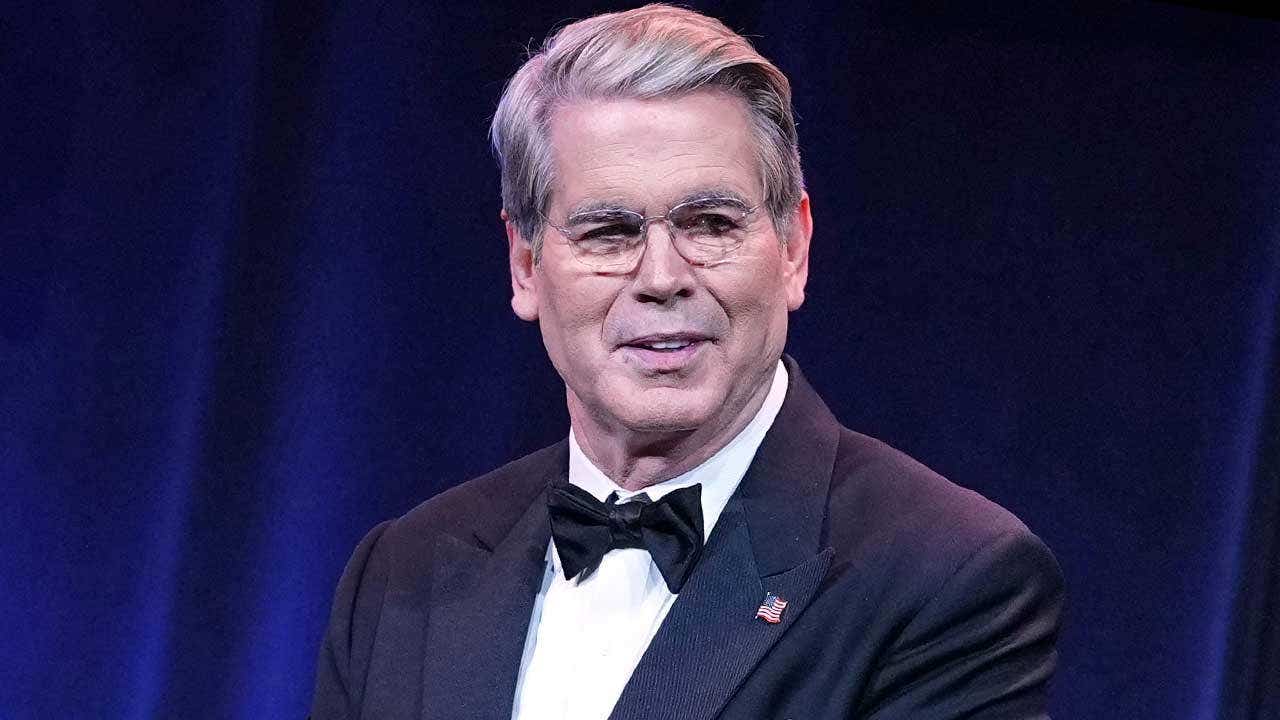
U.S. Treasury Secretary Scott Bessent has relocated from his private residence in Washington, D.C., to a military base following Iranian death threats, according to multiple reports. The move came after intelligence officials assessed that Iranian plots against current and former American officials had reached an advanced stage, with specific threats against Bessent cited as a factor in the determination.
Bessent confirmed his relocation during media appearances earlier this week, attributing part of his security concerns to coverage by The Wall Street Journal. He said the newspaper published a photograph of his Georgetown property on the day he purchased it, and that the image contained geolocation data that exposed the home's location. Bessent stated that his team had appealed to the newspaper's editor-in-chief, Emma Tucker, not to disclose the property's location, but the publication proceeded anyway. "So, I follow the Secret Service instructions and have moved from my home to a military base. And I do wanna say that one of the reasons I've had to move is because the Wall Street Journal printed a photo of my house the day I bought it, that has geolocation on it," Bessent said in a CNBC interview.
Bessent's relocation is part of a broader pattern among senior Trump administration officials seeking protection at military installations. Secretary of State Marco Rubio and Secretary of Defense Pete Hegseth have taken residence at Fort McNair in Washington, D.C., with reports indicating they live near one another on the base. White House Chief of Staff Stephen Miller and former Attorney General Pam Bondi have also relocated to military housing. The concentration of political officials at military installations has reportedly strained housing availability for uniformed officers.
Bessent has led the Trump administration's "Operation Economic Outcast" since August, an economic pressure campaign aimed at isolating Iran financially through sanctions and trade restrictions targeting the Islamic Revolutionary Guard Corps. During his public statements this week, Bessent characterized the Iranian threats as evidence that the campaign is working. He stated that Iranian leadership is "increasingly desperate" under mounting financial isolation and compared the situation to a "dangerous cornered animal." Bessent declined to characterize the threats as constituting an assassination attempt, but said they were serious enough to necessitate military base relocation.
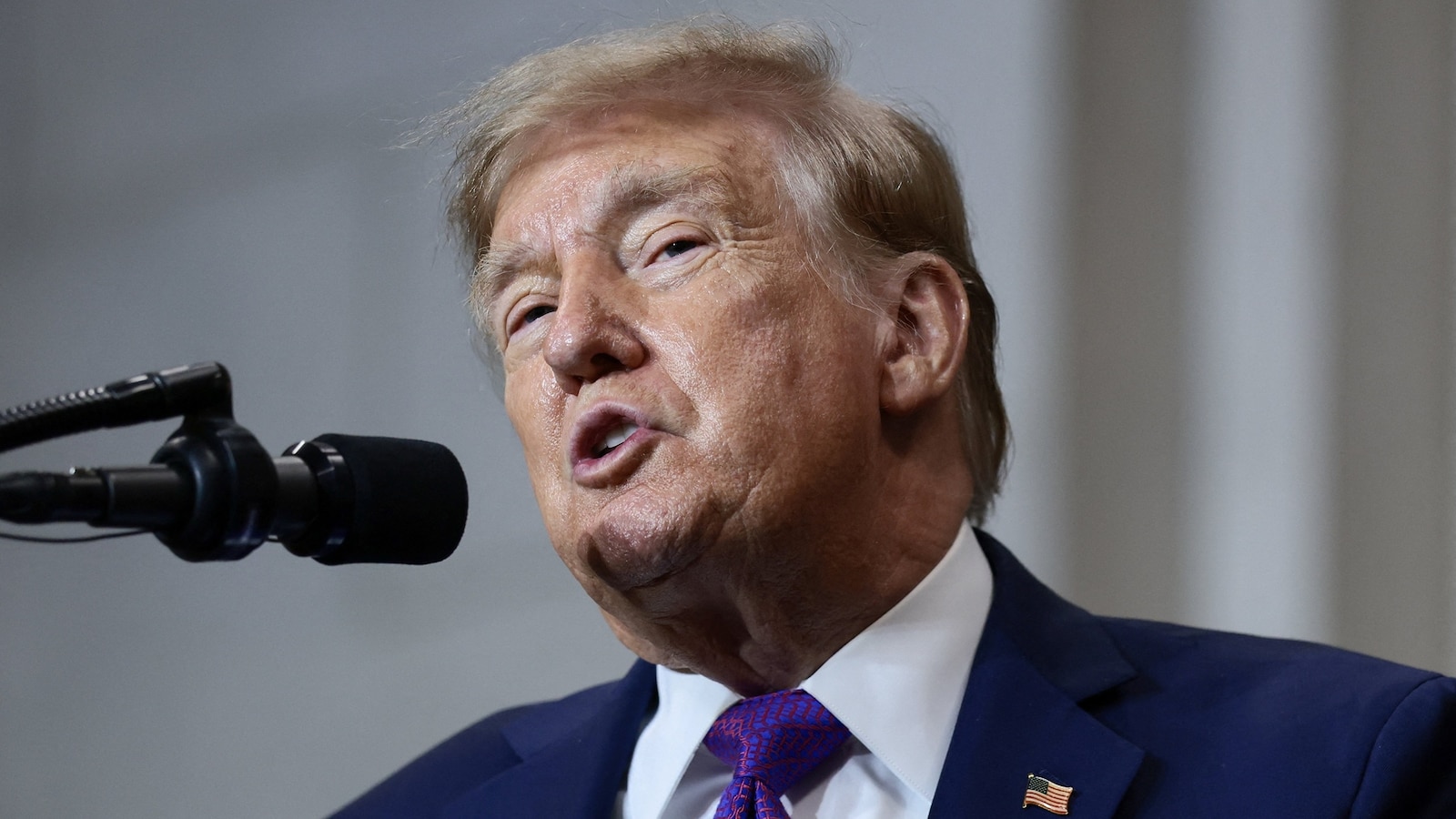
President Donald Trump responded to the Iranian threats on Thursday, warning that any party responsible for targeting American officials "will not exist any longer." In an interview with Salem News Channel, Trump expressed his willingness to use military force if necessary, stating: "No hesitation." Trump also indicated that achieving the removal of Iran's current leadership would be a priority, saying it would constitute a "defeat" if the "Iran crazies" remained in power when his presidency ends.
U.S. intelligence assessments indicate that while Iran's ability to carry out large-scale attacks within the United States is limited, officials are treating specific threats against individual officials seriously. The Iranian Revolutionary Guard Corps recently announced it had lifted a self-imposed limit on ballistic missile range, extending capability to reach parts of Europe and the entire Arabian Peninsula, though U.S. officials have noted that Iran is not known to possess intercontinental ballistic missiles at this time.