The Department of Homeland Security announced Thursday that Immigration and Customs Enforcement set records in both deportations and arrests during fiscal year 2026, which ended September 30. According to DHS, ICE carried out 483,200 deportations, surpassing the previous agency record of 442,640 set in fiscal year 2025. The agency also reported more than 491,000 total arrests, including nearly 475,000 administrative arrests—those made for civil immigration violations rather than criminal charges—marking the highest administrative arrest total in ICE history.
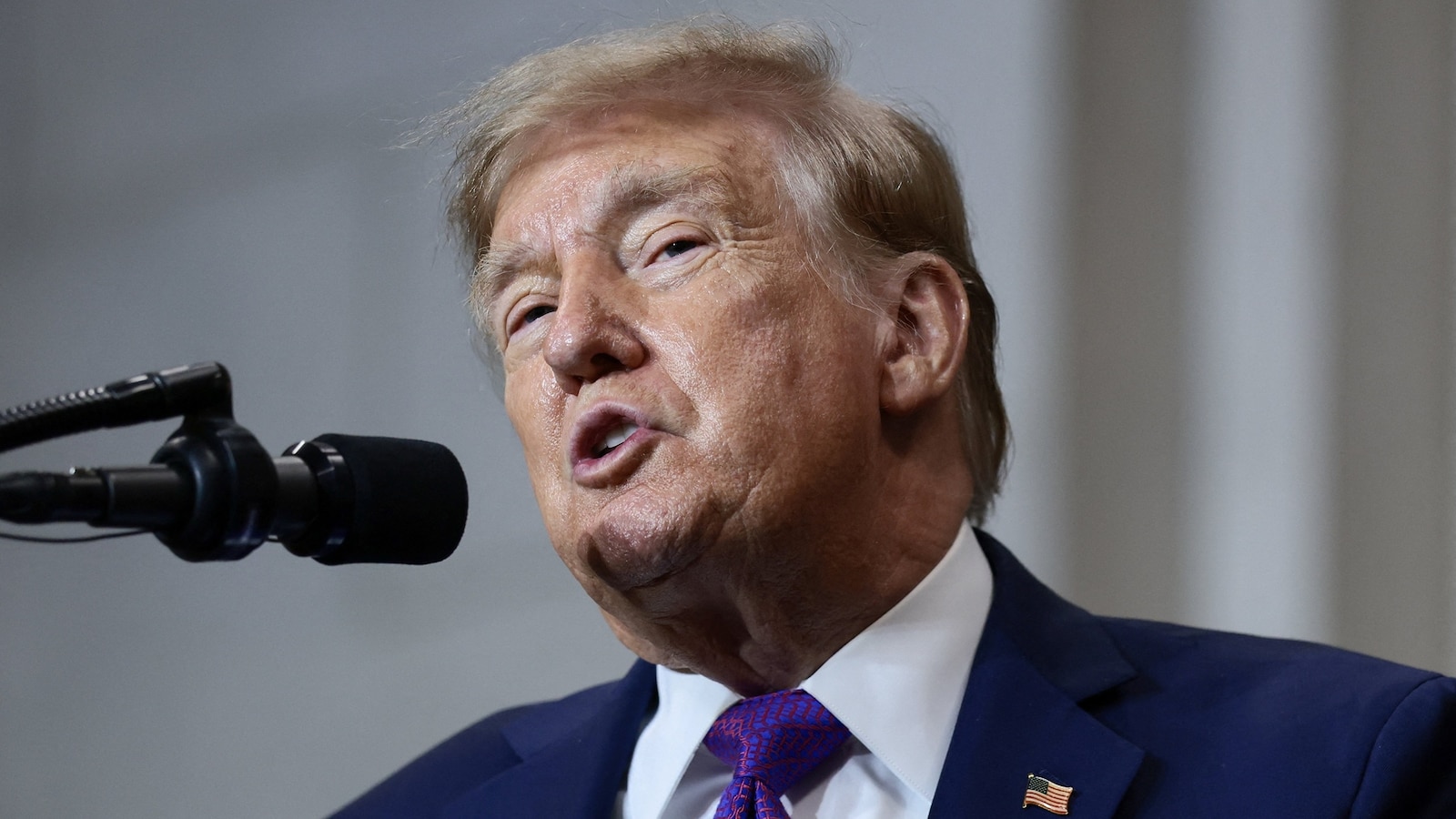
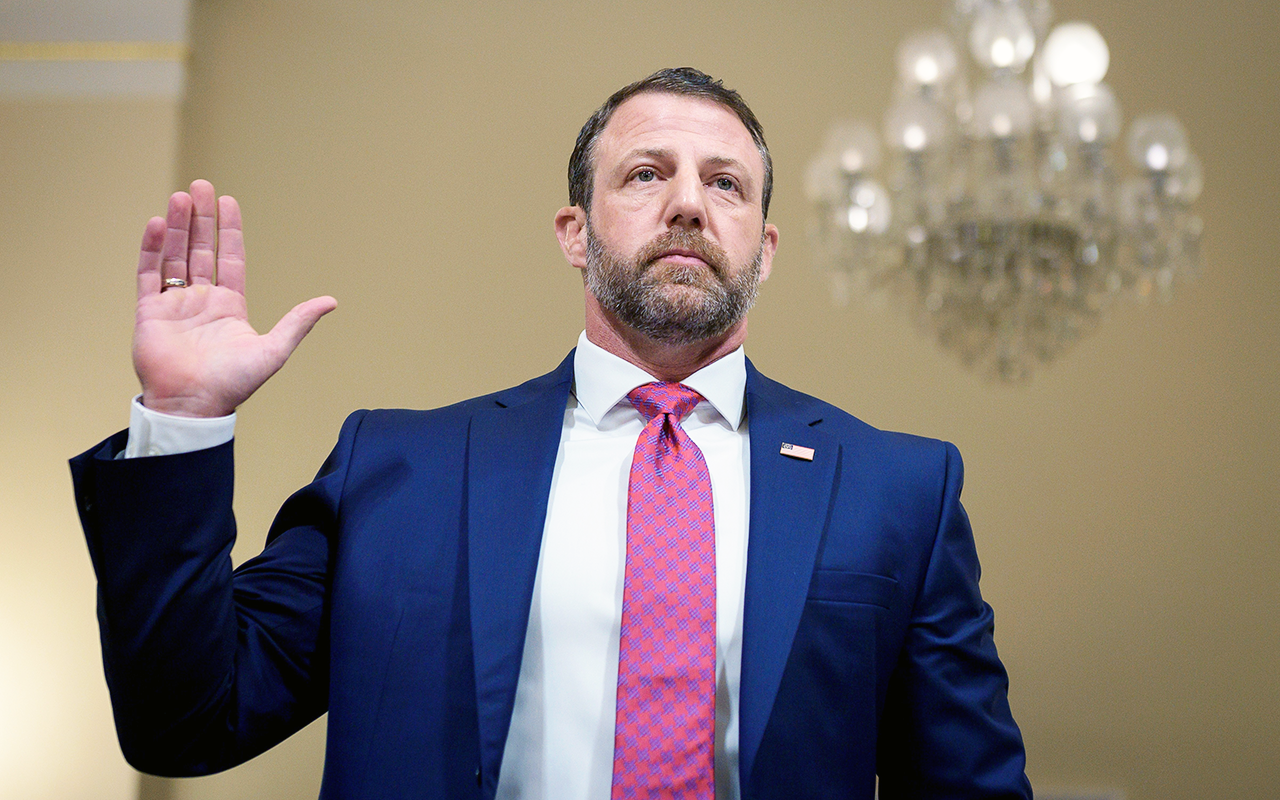
DHS Secretary Markwayne Mullin framed the figures as evidence of successful enforcement under Trump's leadership. "Fiscal year 2026 saw the highest number of ICE deportations and arrests for any year in ICE's history," Mullin said in a statement. "The total number of ICE arrests in Fiscal Year 2026 was more than all three full fiscal years under Biden combined." Mullin characterized ICE as having been "unleashed" to enforce immigration law.
The raw numbers underscore the scale of the enforcement campaign. DHS reported that fiscal year 2026 arrests exceeded the combined totals for fiscal years 2022, 2023, and 2024 under the Biden administration by approximately 65,000. Deportations in fiscal year 2026 nearly matched the combined total for those same three years, falling short by fewer than 3,000. August 2026 saw 50,925 arrests in a single month, the highest monthly total on record, while September logged more than 48,000 arrests.
However, researchers and policy analysts have raised questions about what the figures represent. CBS News reported that a analysis by Syracuse University's Transactional Records Access Clearinghouse found that formal removals accounted for just 63 percent of ICE's reported deportations in July and August 2026, with the remainder consisting of voluntary departures and returns. Additionally, one source noted that ICE deportation figures differ from broader governmentwide statistics that include actions by U.S. Customs and Border Protection and distinguish between formal removals, voluntary returns, and voluntary departures. Using those broader measures, deportations reached higher thresholds during portions of the early 2000s.
The composition of enforcement has shifted under the Trump administration. One analysis noted that because border apprehensions have declined, the majority of Trump-era deportations represent interior enforcement—ICE operations in U.S. cities—rather than border transfers. By contrast, the largest portion of deportations during the Obama administration consisted of Border Patrol arrests at the border transferred to ICE for processing.
The announcement arrives amid political complexity for the administration. CBS News reported that following Republican losses in the midterm elections on Tuesday, November 3, President Trump publicly acknowledged that parts of his deportation campaign may have gone too far. Yet the administration simultaneously elevated Stephen Miller, architect of many of Trump's restrictive immigration policies, to White House chief of staff. CBS News polling data cited in reporting showed widespread public support for border security alongside increasing discomfort with how immigration laws are enforced in communities nationwide.