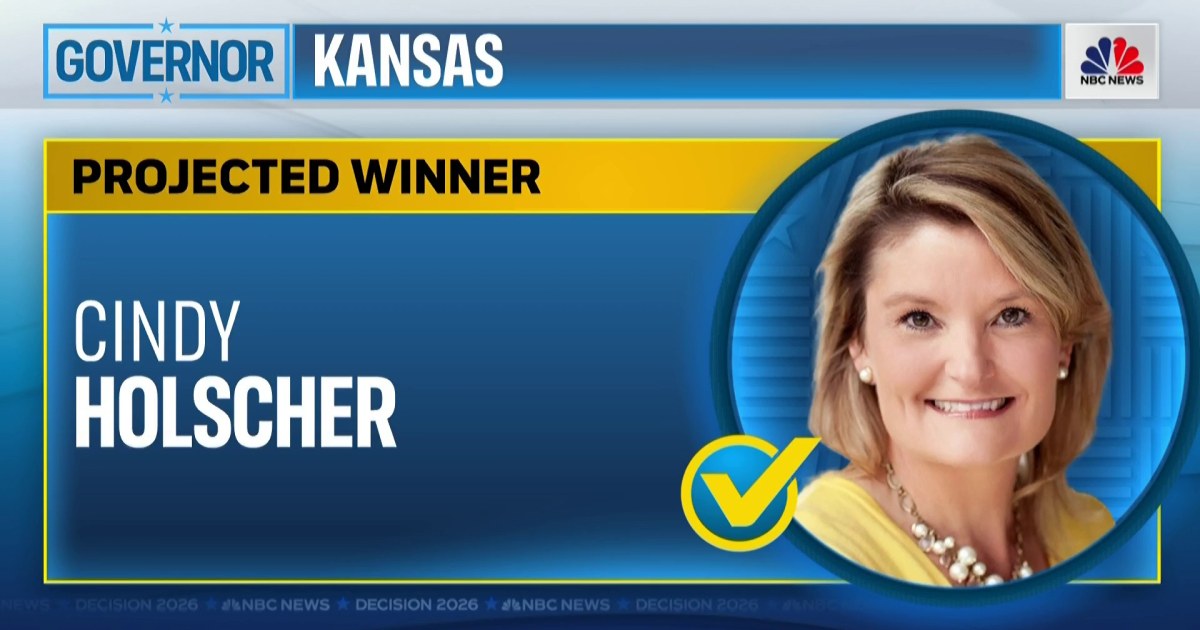
Democrat Cindy Holscher has been elected Kansas's next governor, defeating Republican Ty Masterson in an open race to succeed term-limited Governor Laura Kelly. The Associated Press called the race on Thursday, November 12, after Holscher captured just over 50 percent of the vote while Masterson garnered 49.6 percent.
Holscher's victory keeps the governor's office in Democratic hands and breaks a 60-year pattern in Kansas politics. For six decades, whenever a Kansas governor retired or reached term limits, the opposing party's nominee won the next election. Holscher's win also marks the first time Kansas will have two women governors in succession, following Laura Kelly's tenure.
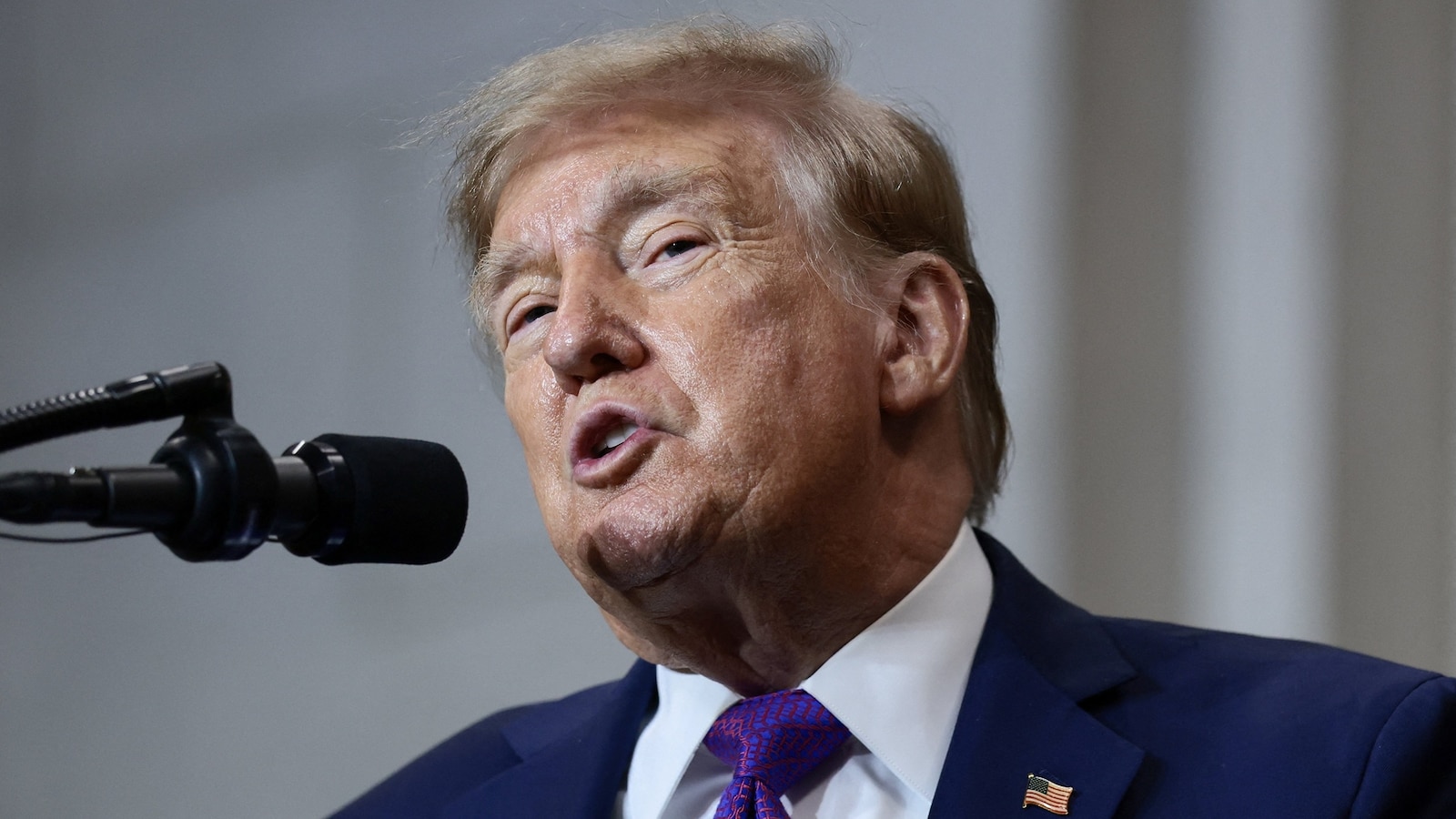
The Kansas gubernatorial race was widely viewed as Republicans' best pickup opportunity this cycle. The Republican Governors Association invested $19 million in television and digital advertising, outspending Democrats more than 3-to-1 overall. Masterson, the Kansas Senate president, carried President Donald Trump's endorsement after winning a contentious primary in August. Despite these advantages, Holscher prevailed in the general election.
Holscher, a former Sprint Corp. manager, has served in the Kansas Senate since 2020 after winning a Kansas House seat in 2016. She is from Johnson County, the state's most populous county, home to 23 percent of Kansas's 2 million voters. Holscher captured more than 60 percent of Johnson County's vote, offsetting Masterson's strong margins in rural Republican areas. Johnson County has grown increasingly Democratic since 2016.
The state senator made a moratorium on new data centers for artificial intelligence a cornerstone of her campaign, arguing that Kansans want limits on energy and water use and assurance that such facilities create local jobs. She faced early opposition from Governor Kelly, who initially backed another Democratic state senator, but Kelly eventually endorsed Holscher and produced campaign material supporting her.
During the campaign, Holscher faced scrutiny over resurfaced social media posts from 2023 in which she suggested Jesus Christ could have been transgender. The comments were made during debate over proposed Kansas legislation restricting drag performances in front of children.
Holscher's victory contributed to a broader Democratic wave in Kansas. U.S. Senate candidate Adam Hamilton, pastor of the nation's largest United Methodist church, won the Senate race—Democrats' first Senate victory in Kansas since 1932. Additionally, Chris Mann defeated state Attorney General Kris Kobach, a champion of strict voter ID laws. The results came as Democrats secured a majority of U.S. governorships for the first time in two decades.