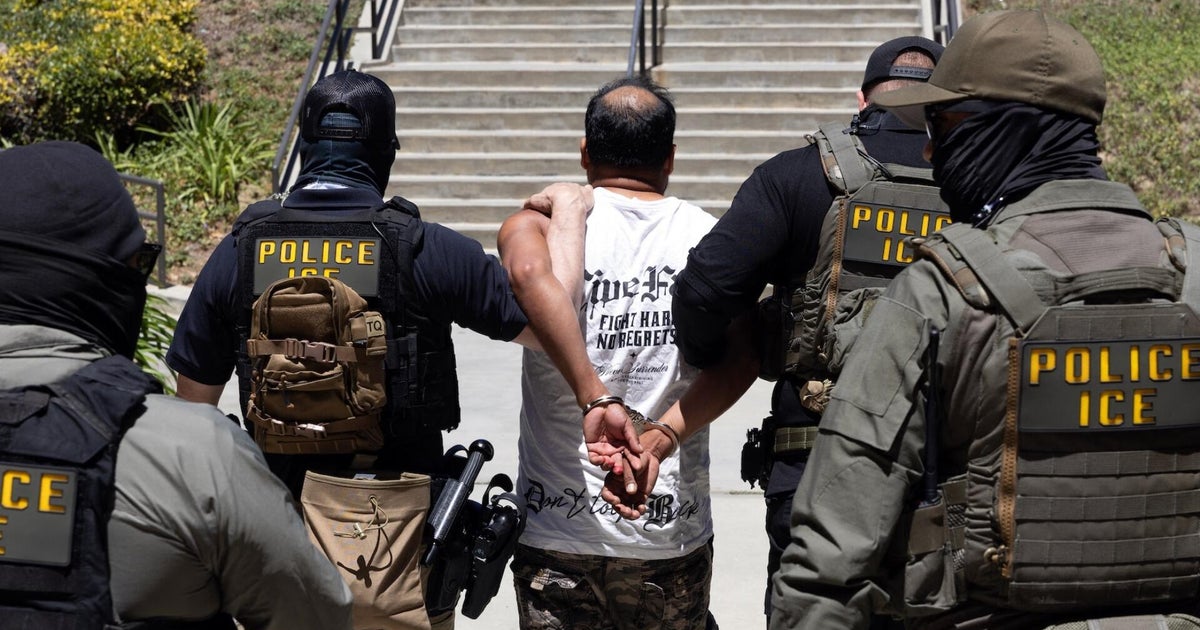
U.S. Immigration and Customs Enforcement deported 483,200 people in fiscal year 2026, the highest annual total in the agency's history, according to data released by the Department of Homeland Security on Thursday. The figure surpasses ICE's previous record of 442,640 deportations in fiscal year 2025 and represents approximately 51% more removals than the year prior.
The agency also reported more than 491,000 immigration arrests during the same period, including nearly 475,000 administrative arrests—those involving civil violations rather than criminal charges—marking records in both categories. The enforcement surge reflects the operational scope of President Trump's immigration crackdown, a centerpiece of his 2024 campaign that made mass deportations a defining policy goal since his January 2025 inauguration.
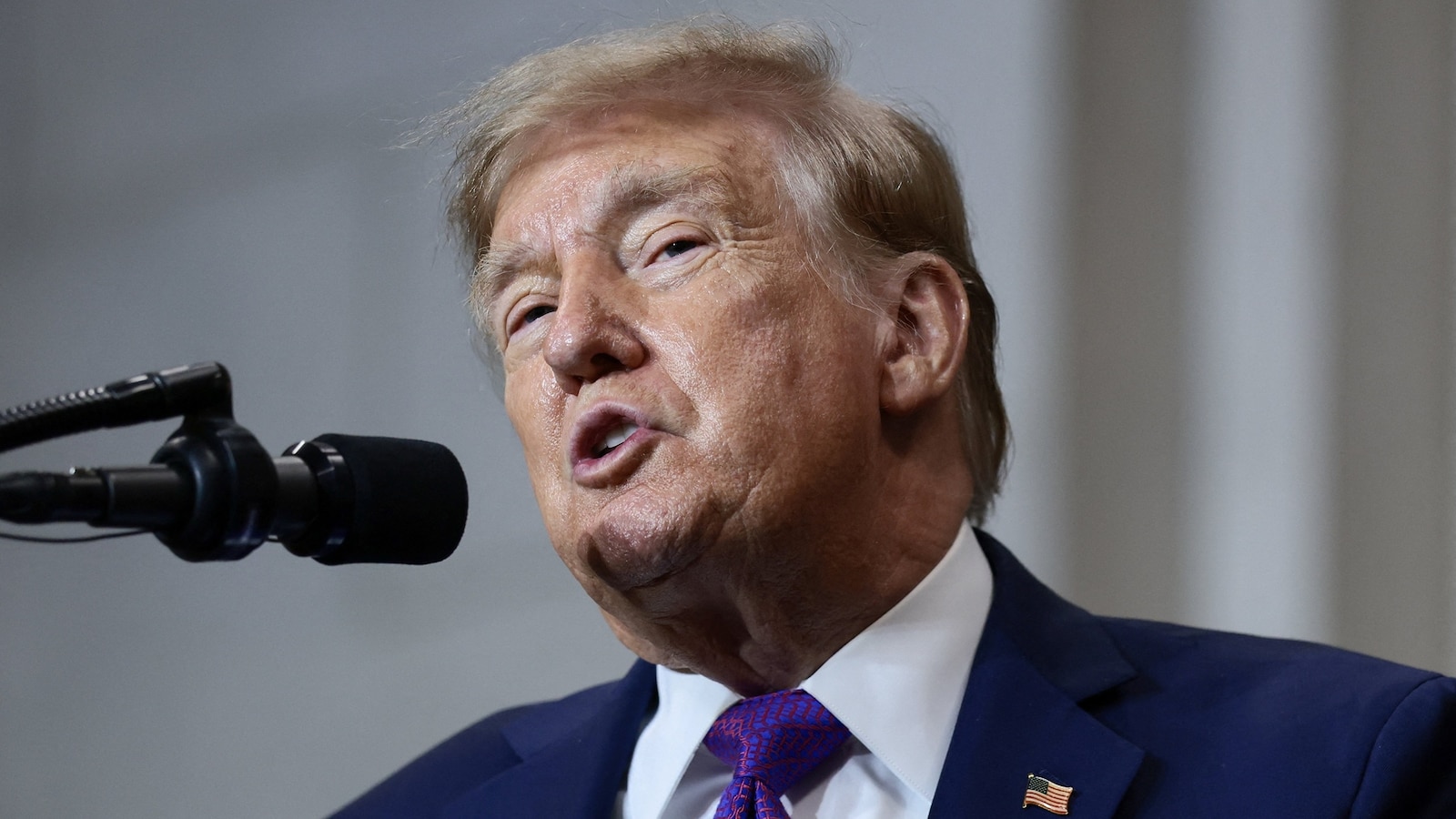
The timing of the announcement carries political weight. The record figures emerged days after Trump publicly acknowledged in a CBS News interview that his administration had been "too tough" on immigrants with jobs and otherwise clean records, stating that he was "hurt" by removals of working people whose only violation was illegal entry. Trump attributed the aggressive enforcement to being a factor in Republican losses during the midterm elections held on Tuesday, November 3, which handed Democrats control of both chambers of Congress. Yet hours after that interview was recorded on November 8, Trump announced the elevation of Stephen Miller, the chief architect of his restrictive immigration policies, to White House chief of staff, replacing Susie Wiles—a move interpreted as signaling the administration's intent to maintain or intensify enforcement.
Department of Homeland Security Secretary Markwayne Mullin stated in response to the data release that "deportations will continue," emphasizing that "the total number of ICE arrests in Fiscal Year 2026 was more than all three full fiscal years under Biden combined." The Biden administration recorded approximately 486,000 deportations across fiscal years 2022 through 2024, the three full fiscal years of that presidency.
The deportation and arrest figures, however, do not tell the complete enforcement picture. A Syracuse University research group, the Transactional Records Access Clearinghouse (TRAC), noted that formal removals accounted for only 63% of the deportations counted in July and August 2026, with the remainder consisting of voluntary departures and returns. When measuring broader governmentwide deportations—including actions by U.S. Customs and Border Protection and distinguishing between formal removals, voluntary returns, and voluntary departures—historical records from the early 2000s reached higher thresholds.
The record enforcement comes amid documented controversy over the scope of interior operations. Immigration officials have arrested immigrants with no criminal histories and pending immigration cases, and federal agents have used force during operations. In one notable incident in January, federal officers shot and killed two U.S. citizens, Renee Good and Alex Pretti, during an immigration enforcement operation in Minneapolis, sparking widespread protests.
Trump's administration set an initial goal of deporting 1 million people annually but has fallen short of that target. Since taking office, the administration has carried out roughly 726,000 deportations and made about 687,000 arrests across all fiscal periods through the end of September 2026. Meanwhile, some Democratic lawmakers have signaled openness to negotiation on immigration policy; Arizona Senator Ruben Gallego said on Wednesday that lawmakers should pursue a bipartisan agreement, even if it means "cutting a deal" with Trump. Public opinion appears divided on the issue: CBS News polling shows widespread support for border security alongside growing discomfort with how immigration laws are enforced in communities nationwide.