US Director of National Intelligence Jay Clayton warned on Sunday, Nov. 22, that Americans should expect more technology outages and service disruptions as companies and government agencies upgrade decades-old systems. Speaking in an interview on CNN's "State of the Union," Clayton said the upgrades are needed to guard against emerging cyber threats, including autonomous artificial intelligence agents.
"The American people should be prepared for a great deal of investment in upgrading our systems; they should be prepared for investment in cyber security, and they should be prepared that any time there is a step change in technology, a step change in both compute and applications, there will be bumps in the road," Clayton said. "As part of that ongoing upgrade, we are going to have glitches, gaps, interruptions in service. That is going to happen."
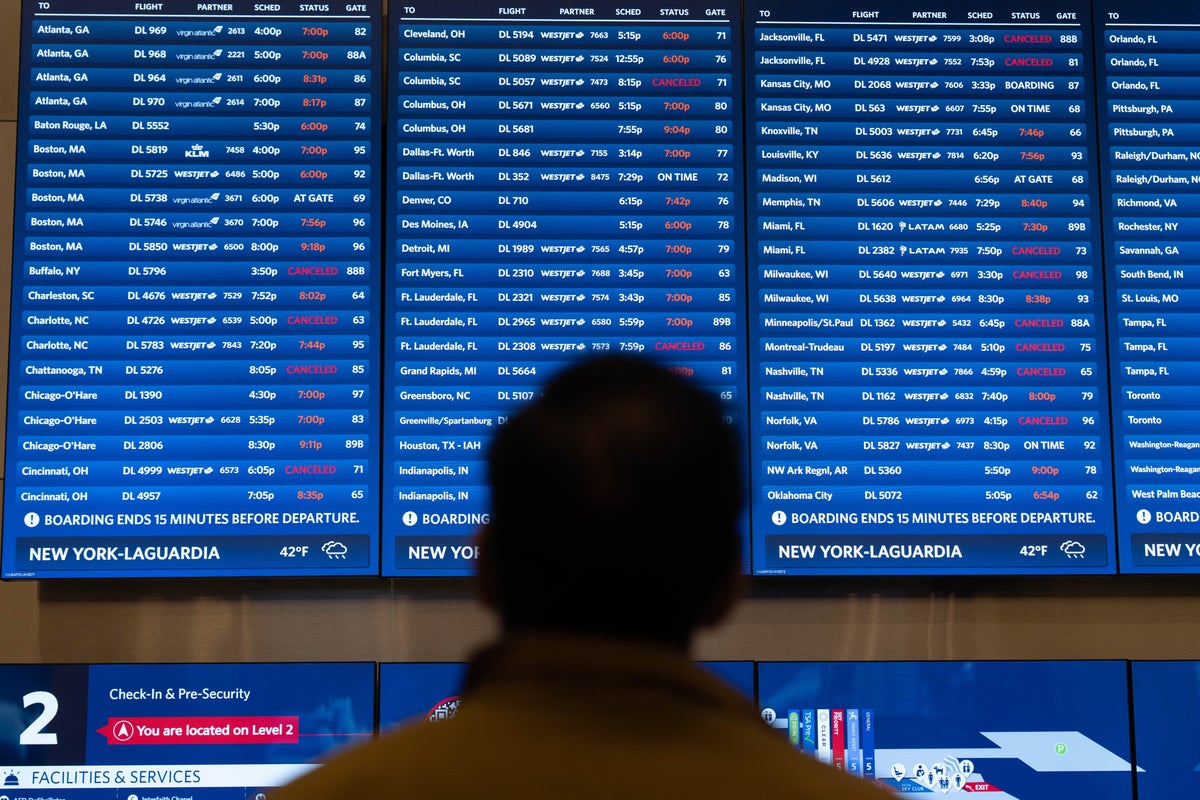
The warning follows a series of technology failures this month that disrupted critical US services. These included a nationwide halt to air travel, a Microsoft outage that knocked out email for governments, doctors' surgeries and businesses for about 24 hours, a banking disruption at JPMorgan Chase and a brief disruption to the National Security Agency's network. President Donald Trump attributed a number of these failures to companies upgrading their systems.
Clayton said the outages were not coordinated or state-sponsored cyberattacks, and he praised Microsoft and JPMorgan for disclosing what went wrong quickly. He declined to comment on separate reports of cyberattacks targeting the FBI and the Department of Agriculture, saying investigators would provide answers "in due course." He cited FBI data showing reported cyber incidents rose from nearly 800,000 in 2020 to roughly 1 million. Asked whether Americans should stockpile supplies as they did during the COVID-19 pandemic, Clayton said "not at all."
Microsoft President Brad Smith, speaking on CBS News' "Face the Nation," apologized for the company's global outage and described it as a "perfect storm" of software updates and network traffic shifts, not a hack or an AI failure. Smith described the wider wave of disruptions as "AI ripple effects," saying companies are racing to patch vulnerabilities in older systems that AI tools have detected, with less time for testing. He said disruptions could continue for months and advised consumers to install software patches promptly.
Treasury Secretary Scott Bessent, also speaking on CBS, said patches introduced by banks to guard against AI threats could cause glitches. "I think the American people should think of it as a vaccine; your arm may hurt, you may feel a little bad the next day, but it increases your long-term immunity and resiliency," he said. The White House recently named Kirsten Davies as the new National Cyber Director after Sean Cairncross stepped aside. Davies will oversee cybersecurity policy and strategy across the federal government.
Disruptions continued on Sunday. Delta Air Lines reported a software malfunction in its automated system used to calculate aircraft weight and balance, which caused delays at Hartsfield-Jackson Atlanta International Airport, its primary hub. The Federal Aviation Administration first issued a ground stop for Atlanta-bound flights and then a ground delay program, with departure delays averaging nearly an hour during the morning. Delta said it was using manual workarounds while work continued to restore automation.
Federal officials have largely dismissed speculation that the incidents were linked to a coordinated foreign cyberattack or AI-driven sabotage, saying independent assessments point to distinct, isolated technical faults. The Verge reported that the outages of the past week were not believed to be caused by cyberattacks, but noted an increase in recent months in attacks on government and commercial systems, including at the USDA, JPMorgan and supermarkets. Clayton said the US leads the world in technology, compute, models, applications and cybersecurity, and that the country would need to keep that lead.


