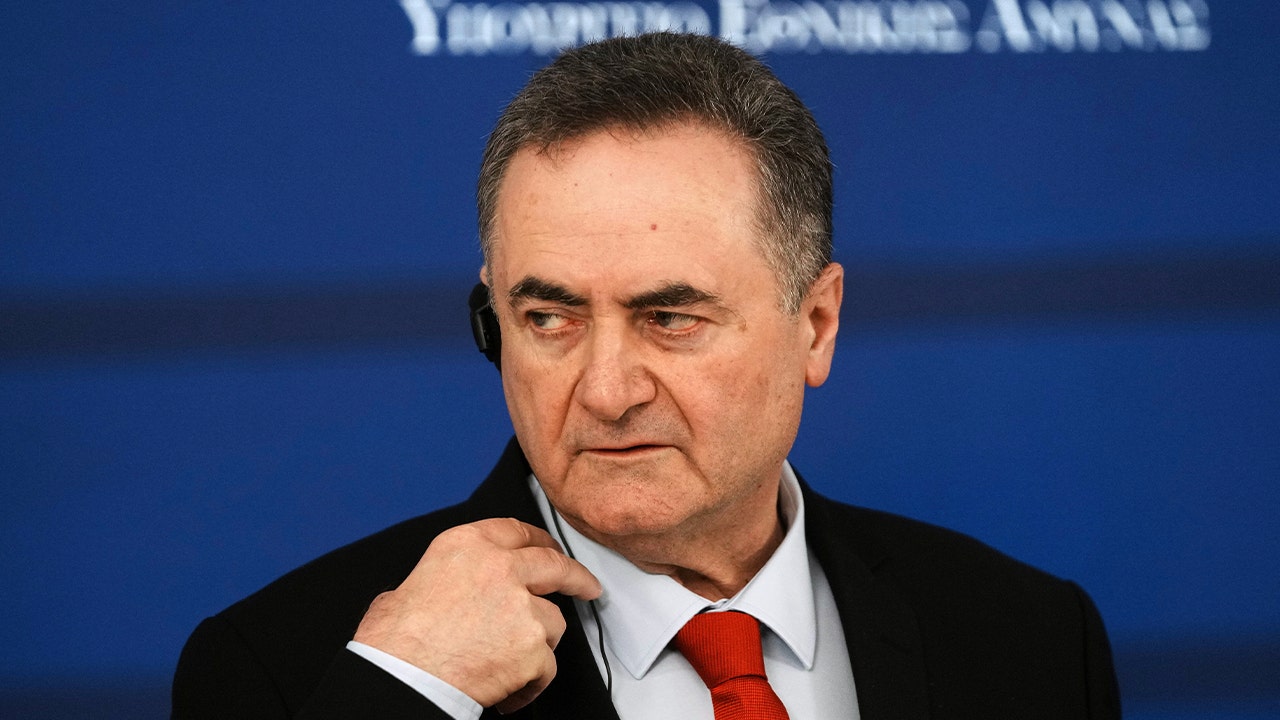
The United States and Iran have exchanged strikes over the past week, ending a roughly two-month lull in fighting, according to Foreign Policy. Iran has targeted U.S. assets in Bahrain and Kuwait, and the U.S. struck a missile launch site on Qeshm Island in the Strait of Hormuz on Tuesday evening, a U.S. military official told Reuters.
Foreign Policy reported that Iran targeted a U.S. early warning radar facility in Bahrain on Friday, Nov. 13, and a radar system at a helicopter base there on Sunday, Nov. 15. No damage was reported. Tehran said the attacks were retaliation for U.S. strikes on Iranian communications towers and for drone surveillance. On Tuesday, Iran targeted another Bahrain radar facility with drones, which were reportedly intercepted.
Iran said it then targeted U.S. drone and missile installations at Kuwait's Ali Al Salem base overnight, Reuters reported. It was Tehran's first attack on Kuwait since September. The U.S. military said no American personnel were injured in any attempted Iranian attacks this week. Bahrain said it intercepted Iranian aerial attacks on Wednesday, the third time in a week, and accused Tehran of a "systematic hostile approach." Iranian media, citing an official, said the U.S. strike on Qeshm caused no damage to infrastructure.
The fighting is part of a wider conflict that began when the U.S. and Israel attacked Iran on Feb. 28. Shipping in the Strait of Hormuz has been severely disrupted, and the U.S. maintains a naval blockade on Iran. Attacks on shipping have surged since October. The UAE's ADNOC Logistics & Services said one crew member was missing and 11 injured after one of its vessels was attacked in the strait on Tuesday. CBS News aired video of an oil tanker in flames after being hit by a projectile, according to the ship's crew.
Trump told Axios on Thursday, "I am not rushing into any decision. We will see what happens after the beginning of the year." Breitbart reported that Trump has not authorized another major operation and that the White House has requested assessments of how Iran might retaliate against various strike scenarios. The New York Times reported Israeli Prime Minister Benjamin Netanyahu is pushing for a joint four-to-seven-day campaign, citing concerns about Iranian missile rebuilding and chemical and biological weapons. Trump has said there is an "indication" Iran is looking at such weapons; Breitbart reported Tehran rejected the allegations on Thursday.
Iranian Army Commander-in-Chief Amir Hatami warned that if the U.S. repeats its "mistake," Iran would respond more forcefully and "without geographic limitations." Hasan Al Hasan of the International Institute for Strategic Studies described Iran's approach as "cautious" escalation but said further escalation is possible if the U.S. widens its targets. Qatari and Iranian officials met Tuesday for talks aimed at narrowing gaps between proposals, Qatar's spokesperson Majed Al Ansari said.