The U.S. Army carried out a controlled detonation of nearly five tons of lead azide at the Iowa Army Ammunition Plant in Middletown, Iowa, at about 9 a.m. local time on Wednesday, Nov. 25. Army and Environmental Protection Agency officials said monitors detected no airborne lead afterward, though testing of soil, water and farms is still to come.
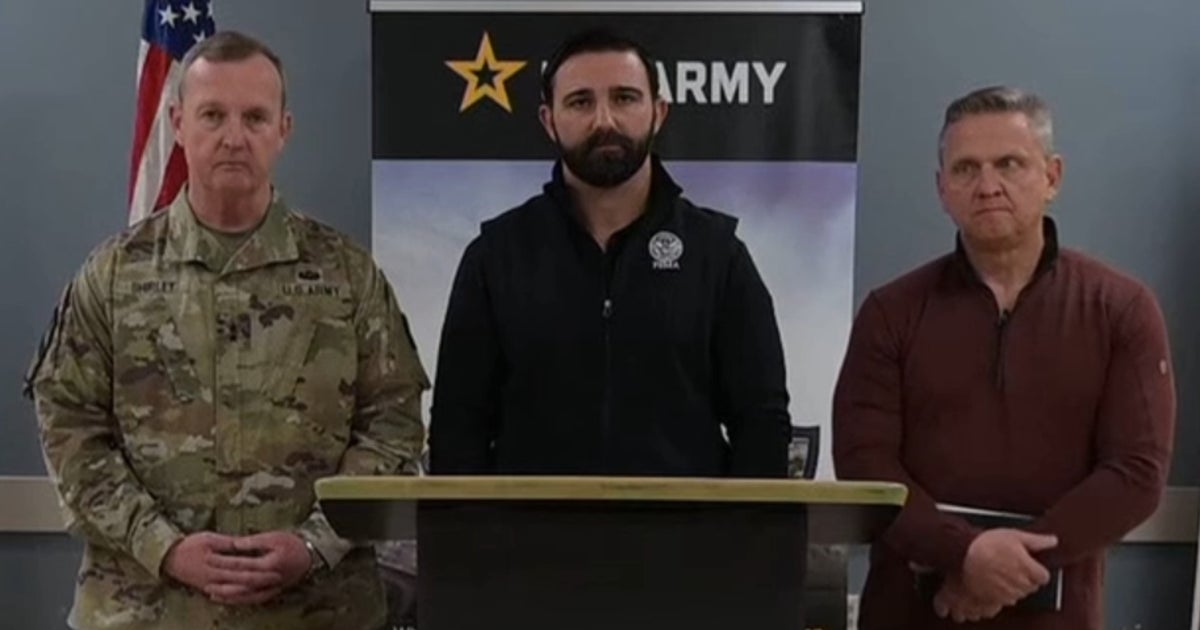
Maj. Gen. Eric Shirley, commanding general of the U.S. Army Sustainment Command, said the operation exceeded expectations. He said all of the lead azide barrels were removed and that there were no secondary explosions, notable dust kick-outs or infrastructure damage. Army Secretary Aaron Telle said on X that the threat of a spontaneous detonation had been eliminated. President Donald Trump praised the Army on Truth Social.
The plant held about five tons of the compound in 68 barrels. According to Israel National News, the stockpile had been stored in Iowa since 2009, and workers found during a routine inspection in March that it had begun to crystallize. Military officials warned it could explode on its own as temperatures fell, and Army experts concluded that destroying it on site posed the least danger.
The plan drew opposition. Residents and farmers worried that the blast would spread lead dust over homes, crops and livestock, and environmental groups challenged the EPA's emergency permit, saying notice was too short. On Monday, the Eighth Circuit Court of Appeals lifted its temporary order blocking the detonation. The judges acknowledged "the very real risks" but concluded an uncontrolled explosion posed a greater danger. The Army had first planned the blast for the previous Friday, and used the delay to add barriers, water tanks, foam and mist.
After the blast, FEMA told residents within 20 miles who had not evacuated to keep sheltering in place. Fox News reported that the Army said at 6:31 p.m. ET that FEMA had issued an all-clear, and that FEMA lifted the order around 8:30 p.m. Fox News also reported that as of 5:30 p.m. ET none of the EPA's live monitors in the expected plume path had detected lead. Missouri Gov. Mike Kehoe said no lead was detectable in air headed toward his state.
Some experts urged caution. Dr. Dan McCabe of the Iowa Poison Control Center said the air readings were promising but "only one data point," and that surface and soil testing were needed. EPA Administrator Lee Zeldin said more time was needed to assess any fallout. Iowa governor-elect Rob Sand, a Democrat, praised the effort to make the blast safe but said the lead-up had been chaotic and unclear and called for transparency.
FEMA Administrator Cameron Hamilton said federal agencies will take air and soil samples in the coming days and weeks, and Department of Agriculture officials will visit nearby farms to assess impacts.