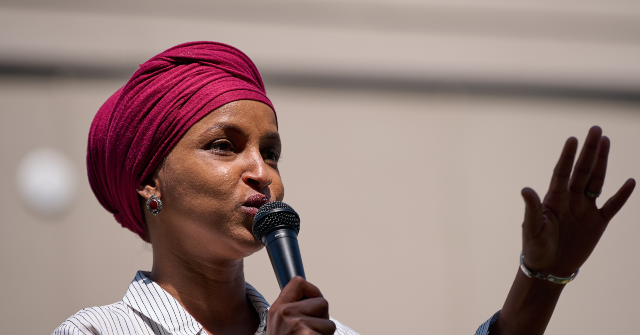
A federal judge in Washington unsealed 169 pages of court records on Monday, Nov. 23, related to the Oct. 12 search of the Washington, D.C., home of Rep. Ilhan Omar, a Minnesota Democrat. The release followed a request from more than a dozen news organizations, including The Associated Press, which argued the public has a First Amendment right to access the records. Chief Judge James Boasberg ordered the partial unsealing, but the documents are heavily redacted.
The filings show that the Justice Department requested a search warrant on Oct. 2, and that a judge signed it on Oct. 9. Homeland Security Investigations agents executed the warrant on Oct. 12. According to the documents, investigators were authorized to seize documents, records, photos, computers, cellphones and storage devices 'registered or used by' Omar. The warrant sought evidence of violations 'involving Ilhan Nur Said Elmi a/k/a Ilhan Abdullahi Omar, and occurring between 1980 to the present.' Omar was born in 1982, according to her congressional biography, so the time frame begins two years before her birth.
The records also show a dispute over the Constitution's Speech or Debate Clause, which protects lawmakers from executive branch interference. Sharbaugh said he disagreed with the government's argument that this privilege applies only to official congressional offices and certain electronic devices, writing, 'That logic does not hold.' He concluded that the government's law enforcement interests had to be balanced against Omar's constitutional rights, and the government ultimately agreed to a search protocol allowing Omar to invoke the privilege over any legislative material before agents conducted the search. The Justice Department later said the judge had mischaracterized its argument. In a later filing, it said the items it sought had nothing to do with Omar's legislative work, and rejected a judge's remark that this was 'maybe so,' calling it 'demonstrably so.'
The government wrote that it believes Omar 'has committed [REDACTED] crimes over decades—beginning long before she was ever in Congress.' The specific crimes are redacted. A source familiar with the warrant told The New York Times that prosecutors were examining Omar for immigration crimes, including making false statements on paperwork and a single conspiracy charge, as reported by that outlet and cited by Breitbart. The MPR News review of the documents found that they do not mention immigration. Separately, The Associated Press reported last month, citing a person briefed on the investigation, that federal authorities are examining potential fraud in her family's immigration paperwork and have issued grand jury subpoenas to some relatives.
Boasberg did not unseal a 67-page search warrant affidavit, agreeing with the government that doing so would be premature while the investigation is ongoing. He told prosecutors he expects that document will eventually be made public with redactions. Prosecutor Jeanine Pirro had asked that none of the files be released because they may be needed in a future trial, according to CBS News.
Omar has not been charged with any crime. Her office said in an October statement that she had 'done nothing wrong' and called the search an 'outrageous abuse of power.' Omar has said Homeland Security agents seized 17 items, including phones, notebooks, a Somali-language children's book and a vintage camera her husband had received as a gift. The search took place less than a month before the Nov. 3 midterm elections, in which Omar won reelection. The Justice Department has historically avoided public investigative actions involving a candidate within 60 days of an election, according to The Associated Press.