Nidal Hasan, the former Army psychiatrist convicted in the 2009 mass shooting at Fort Hood, Texas, has asked a federal court to delay his scheduled execution by firing squad so he can challenge his death sentence. The request was made in a filing dated Tuesday, Nov. 24, in U.S. District Court in Kansas, where Hasan is held at the military prison at Fort Leavenworth.
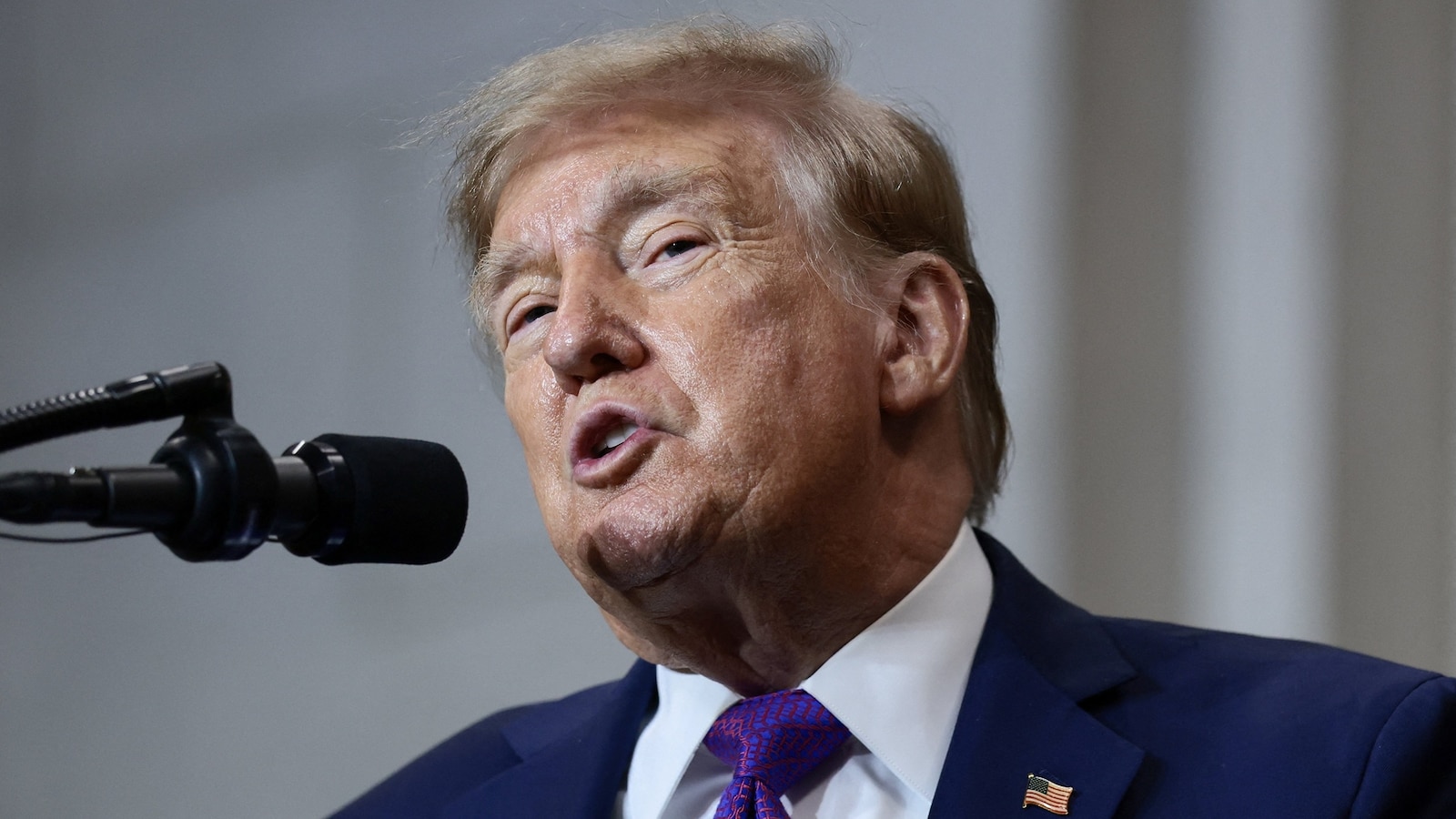
Hasan, 56, was found guilty of multiple counts of murder and attempted murder in the attack, which killed 13 people and wounded more than 30. In the filing, which Hasan signed, he says he “intends to demonstrate that the military court’s judgment and his resulting sentence of death were obtained and are maintained in violation of his federal constitutional and statutory rights,” according to court documents reviewed by CBS News and The Associated Press. CBS News reported that the filing says those rights were violated “due to unlawful command influence” by President Donald Trump and Defense Secretary Pete Hegseth.
The Army has scheduled the execution for 1 p.m. on Dec. 3 at Fort Hood, around the time the 2009 attack began. Trump approved the death sentence in October, after Hasan had exhausted his military appeals. The filing could add significant delays to those plans. Military experts told NBC News that a habeas corpus petition, which requires the government to justify a person’s detention, would likely lead to a lengthy review that could push the execution well past the end of Trump’s term.
The case has been assigned to Judge Tony Mattivi, whom Trump nominated and the Senate confirmed on June 9. From 2009 to 2013, Mattivi was the lead prosecutor in the capital military commission at Naval Station Guantanamo Bay, Cuba, against the al-Qaida operative who masterminded the bombing of the USS Cole. A hearing has been set for Wednesday, Nov. 25.
The ACLU of Kansas filed the motion on Hasan’s behalf, and lawyers from the ACLU’s Capital Punishment Project are assisting him. John Baker, the federal public defender for the Western District of North Carolina, whose capital habeas unit is also assisting, said in a statement that “our government cannot be permitted to execute Mr. Hasan until his death sentence has received full and fair review.” The Associated Press reported that Hasan intends to continue representing himself. The Pentagon and Army did not immediately respond to requests for comment, according to the outlets that reported on the filing.
The filing came the same day military officials said three survivors of the shooting would not be allowed to witness the execution. The Army said on Nov. 10 that the three could not attend because none of them was the direct victim of the charges, citing regulations governing military executions. On Tuesday, officials rejected the survivors’ request for reconsideration, citing security and space issues, according to an email shared with The Associated Press. The survivors had argued that the Army should use a broader definition of “victim” from the Uniform Code of Military Justice. Retired Col. Kathy Platoni, who would have been Hasan’s supervisor during a planned deployment to Afghanistan, said the denial felt like a betrayal.
The execution plan has drawn attention since early October, when Hegseth said it would be public and a Pentagon spokesperson said it would be available online. After bipartisan criticism, Trump said in a Truth Social post that “this event will not be streamed,” though Hasan “will die, as scheduled, by firing squad.” If carried out, the execution would be the first military execution since 1961 and the first by a U.S. military firing squad since 1945, according to the Death Penalty Information Center as cited by RTE.