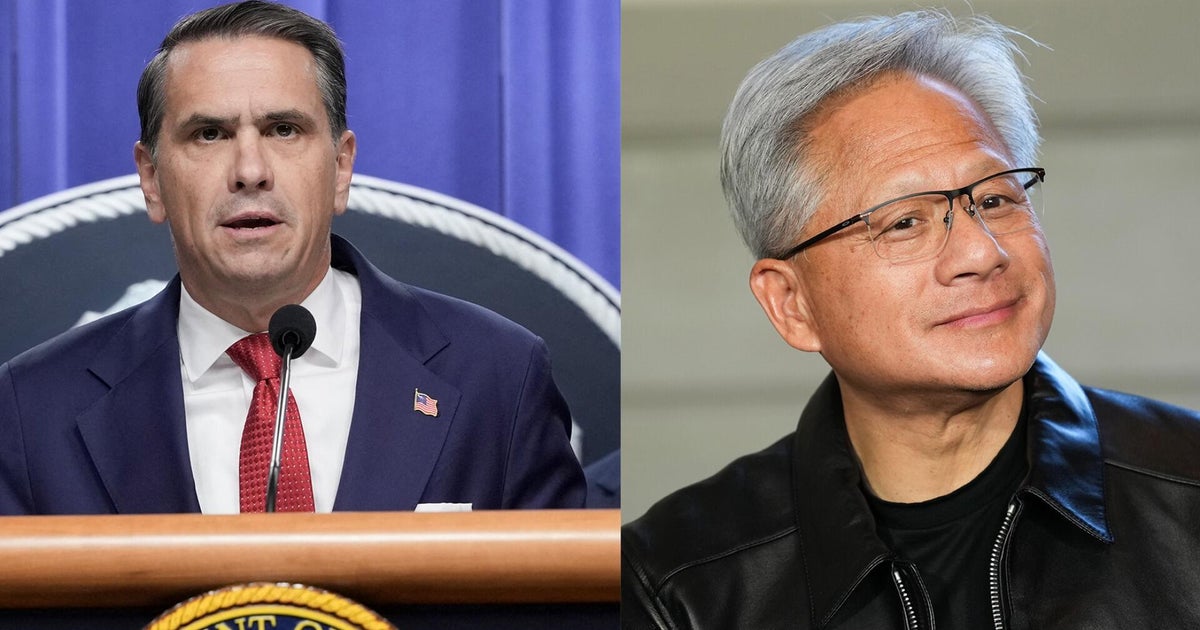
The Office of the U.S. Trade Representative (USTR) on Wednesday proposed new tariffs of up to 20% on China, the European Union and 12 other trading partners, following an eight-month investigation into excess manufacturing capacity. The announcement came from the Trump administration in Washington, with USTR Jamieson Greer presenting the findings. The tariffs would not take effect until after additional hearings and a public comment period.
The investigation was launched under Section 301 of the Trade Act of 1974 and covered 16 economies. According to Wwd, 14 were found to have engaged in practices that burden or restrict U.S. commerce: China, the EU, Singapore, Switzerland, Indonesia, Malaysia, Cambodia, Thailand, South Korea, Vietnam, Taiwan, Bangladesh, Japan and India. The agency made no determination on Mexico or Norway, which were also investigated.
A US official who briefed reporters said the tariffs "probably will be in January at the earliest." Greer told CNBC he did not think any would take effect "earlier than a couple of months from now." Yahoo News reported that China's rate is described as a "deal rate" that could go higher depending on talks, and the official said the investigation found a 40% tariff on China and 35% on Vietnam "warranted."
Proposed rates vary. Yahoo News reported 20% for Vietnam, 18% for Cambodia, Indonesia and Malaysia, and 17% for India only if talks produce a deal. The EU, South Korea and Japan would face 15%, matching rates negotiated in recent trade deals. Greer said, "We're sticking to that." Foreign Policy gave a figure of as much as 25% for India, a difference from Yahoo News's account.
Sources differ on stacking. Wwd reported the new duties would not stack on existing ones, including Section 301 forced-labor tariffs imposed in July and global Section 232 tariffs, except for China, where the rate would stack on existing 25% Section 301 duties and could exceed 40% on some goods. A Yahoo News market report said the tariffs would be stacked on existing rates generally.
China's Foreign Ministry spokesperson Guo Jiakun said the overcapacity issue "does not really exist" and should not be a pretext for political manipulation. The European Commission also pushed back, arguing Europe is a victim of overcapacity, Foreign Policy reported. A trade truce between Washington and Beijing expires Jan. 10, 2027.
The Yale Budget Lab estimated the average US statutory tariff rate would rise from 11.4% to 13.9% early next year, close to the 13.8% before the Supreme Court struck down tariffs imposed under the International Emergency Economic Powers Act in February. Capital Economics' Stephen Brown said the announcement "is not as alarming as it looks." Greer said the changes would "really will just top up a few percentage points."