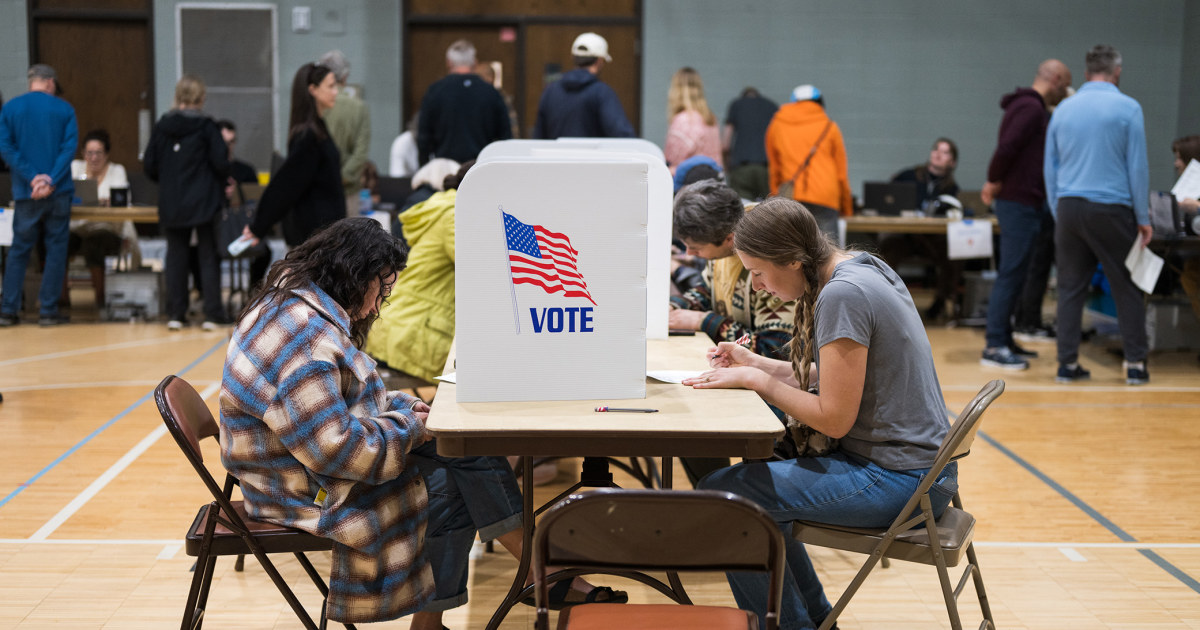
Social Security has emerged as a focal point in next week's midterm elections, with candidates across multiple races proposing different strategies to address the program's looming insolvency. According to the Social Security trustees' most recent report, the program's main trust fund is on track to be depleted by late 2032, after which recipients would face automatic benefit cuts exceeding 20% if no legislative action is taken.
The financial pressure on Social Security stems from demographic shifts in the U.S. population. As the country ages, more baby boomers are claiming benefits while comparatively fewer workers are paying into the program through payroll taxes. This widening gap between beneficiaries and contributors is forcing the agency to draw down its trust funds faster than previously anticipated.
In key battleground states, candidates have begun staking out positions on reform. In Michigan's Senate race, Republican Mike Rogers emphasized eliminating fraud when asked about fixes during an Oct. 25 debate, while his Democratic opponent Abdul El-Sayed proposed removing the payroll tax income cap—currently set at $184,500—so that higher earners contribute more. An analysis of 20 Senate races by economist Jon Schwabish found that around half of candidates support raising or eliminating the tax cap. The payroll tax is currently 12.4%, split evenly between employers and workers at 6.2% each.
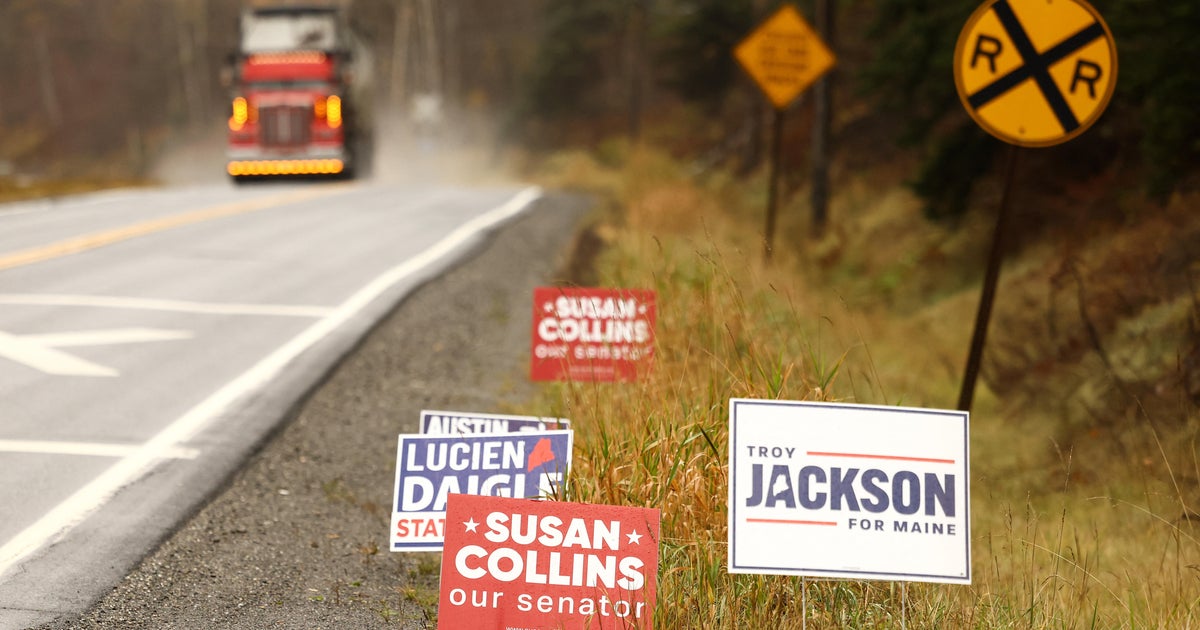
Maine, which has the oldest population of any U.S. state, exemplifies the political stakes. According to the Social Security Administration, approximately 390,000 Maine residents were collecting Social Security as of December 2025—more than a quarter of the state's total population. An AARP poll of nearly 1,000 likely Maine voters aged 50 and older found that 81% said Social Security will factor into their voting decision. Democratic candidate Troy Jackson, a logger and former state senator, has committed to eliminating the payroll tax cap, stating that people who work hard should be able to retire with dignity. Republican Sen. Susan Collins has positioned herself as a reform champion, having co-sponsored the Social Security Fairness Act with a Democratic senator.
Other candidates have offered vaguer commitments, pledging to ensure Americans receive their full benefits without detailing specific policy proposals. Previous reform discussions have included gradually raising the retirement age or means-testing benefits based on income.
Experts caution that the window for action remains open but is narrowing. Martha Shedden, president of the National Association of Registered Social Security Analysts, noted that "the pressure on Congress is going to just be tremendous going forward," adding that each annual trustees report intensifies concern about legislative inaction.
While Congress has options to address the shortfall, analysts emphasize the need for comprehensive, bipartisan action. The last major Social Security reform occurred during the 1980s under President Ronald Reagan. Without intervention, the automatic benefit cuts triggered by trust fund depletion would affect more than 70 million recipients, including an estimated 20 million people with no other source of income.