Transportation Secretary Sean Duffy made an urgent appeal to Congress on Tuesday for $50 billion in emergency funding to upgrade the Federal Aviation Administration's air traffic control system, following a major operational failure that crippled the nation's aviation network.
Duffy formally requested the funds in a letter signed by himself, FAA Administrator Bryan Bedford, and White House budget director Russell Vought, stating the money was needed "to deliver a truly world-class air traffic control network." The request represents an increase from the $30 billion Duffy had initially sought on Friday, the same day a telecommunications router failure triggered a 4.5-hour nationwide ground stop that resulted in the cancellation of more than 18,000 flights and affected roughly 1.5 million passengers.
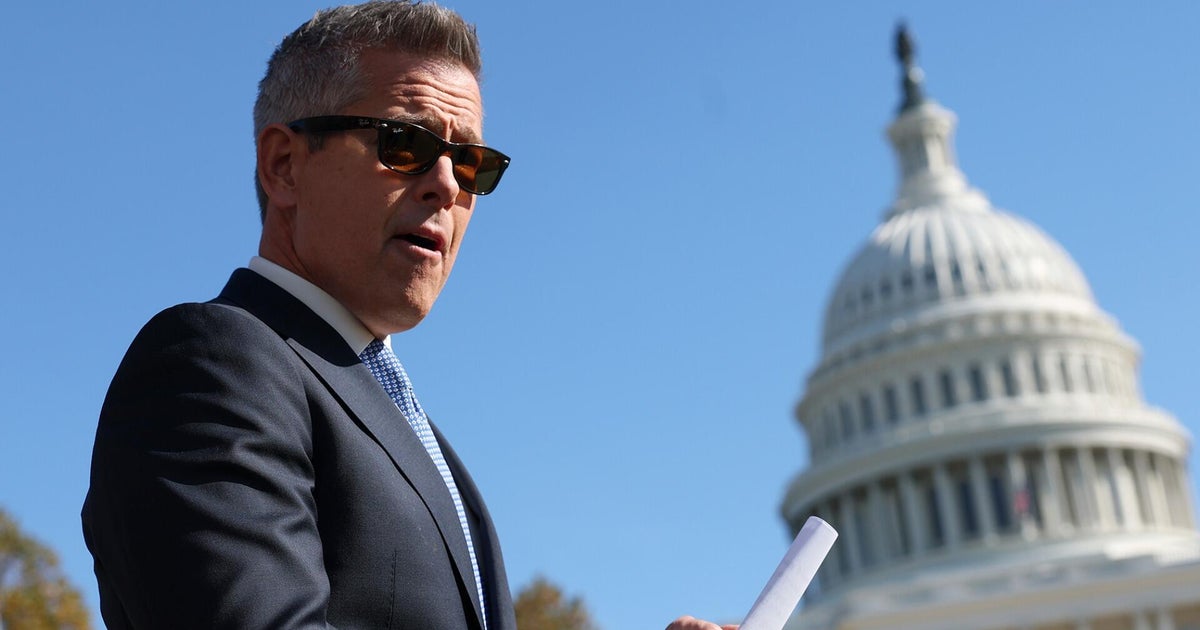
Duffy appeared on Capitol Hill on Tuesday to make his case in private meetings with Senate Republicans. According to attendees, the closed-door briefing was contentious, with the transportation secretary being "yelled at" by multiple Republican senators over the funding request. When the meeting concluded, Senate Republican leaders and Duffy notably held separate news conferences rather than presenting a unified front.
Senate Republicans raised multiple objections to the $50 billion figure. Senator John Kennedy said he would not vote to approve airport funding, calling the jump from $30 billion to $50 billion "a huge mistake." Senator Rand Paul questioned how the price tag escalated, stating "the bottom line: we shouldn't just throw money at a problem." Republican Senator Rick Scott suggested another $10 billion would be sufficient, while also arguing that airlines and other system users should contribute to upgrade costs rather than relying entirely on taxpayers. Senate Majority Leader John Thune declined to endorse the full amount, saying only that Republicans are "unified around the belief that safe skies is an incredibly important priority" and that "we will see what the traffic will bear, what's achievable."
A central point of contention is that Congress approved $12.5 billion for air traffic control modernization through the Working Families Tax Cut Act, with senators noting that only about 30 percent of those funds have been spent so far. When asked about the unspent money, Duffy argued that the initial $12.5 billion was insufficient for the specific upgrades needed in the current modernization effort. Democrats, meanwhile, expressed frustration with the administration's explanation of Friday's outage. Senate Minority Leader Chuck Schumer told reporters: "At his first press conference, all Duffy did was attack Democrats, and he asked for $50 billion when they haven't even spent the $12 billion we've given to them. I have little faith in them." Other Democrats, including Senator Brian Schatz, questioned the round number, though Schatz said he generally supports investment in air traffic control.
Experts and former FAA officials have disputed the administration's contention that the ground stop resulted from insufficient funding. Tom Lintner, a former FAA air traffic program manager, stated: "That's not what caused Friday. Four decades of procrastination and poor program management is what caused Friday." The outage was attributed to an overloaded router in Arkansas that became overwhelmed with data from the aging air traffic control system, creating a single point of failure in the network.
The funding request will likely be wrapped into broader discussions over government funding, as Congress faces a December 11 deadline to either pass a new funding bill, approve a stopgap measure, or risk a shutdown. Republicans are also considering whether to pursue a party-line "reconciliation" bill that would allow military and other spending to pass without Democratic support, though Senate Republican leaders indicated this remains uncertain and would require passage of a budget resolution by Thanksgiving.


