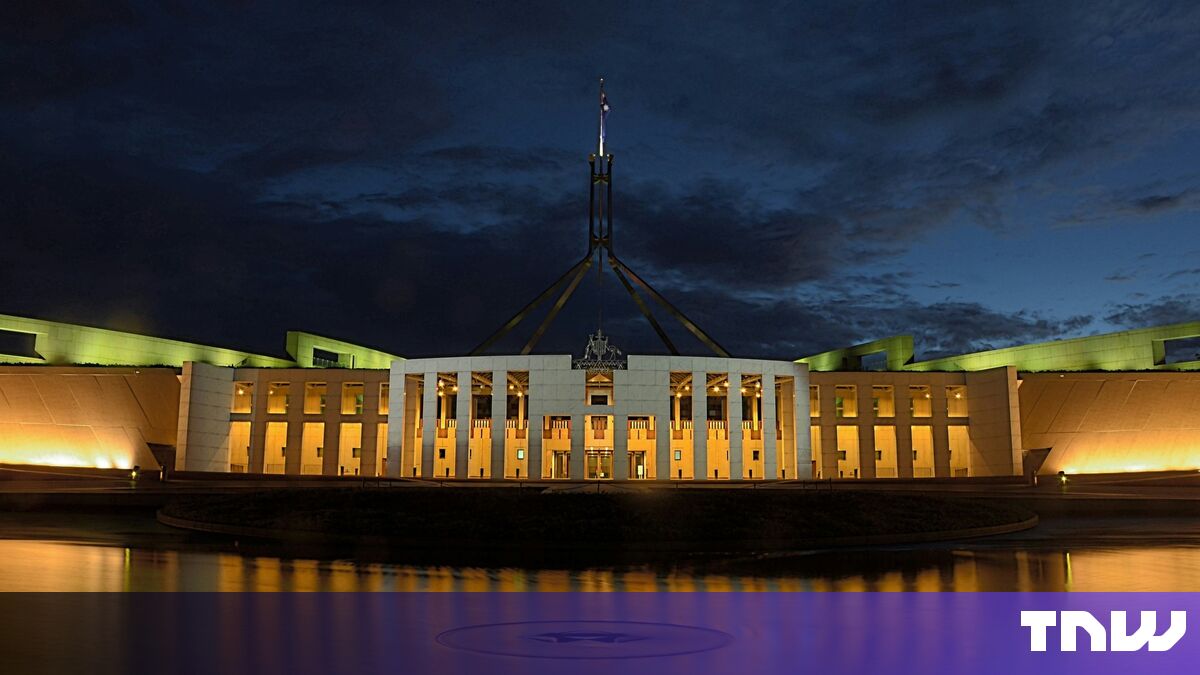
Australia's parliament passed the Digital Duty of Care bill on Wednesday, Nov. 25, according to The Next Web. The law requires online platforms to find and reduce foreseeable risks before people are harmed, and it gives Australians the right to sue platforms that breach that duty. The Senate approved the bill under a deal that Communications Minister Anika Wells struck with the Greens on Tuesday, Nov. 24.
The law replaces the existing industry codes and the eSafety Commissioner's Basic Online Safety Expectations. Under the bill, platforms would have to complete annual written risk assessments, keep them for six years and produce them to the eSafety Commissioner on request, according to The Conversation. Services judged low-risk fall outside the law. Wells gave a café or a bookkeeper's website as examples of sites unlikely to harm their users. The government has said that low-risk small businesses will be exempted through rules.
For users, the most visible change is a requirement that social media platforms offer a switch to turn off algorithmic feeds and keep it easy to find. Platforms must also assess the risks of addictive design, such as endless scroll and popularity meters. AI chatbots will be barred from building emotional intimacy with children. The law also expands the eSafety regulator's power to take down nudify apps, adds stronger privacy protections and tightens the definition of content that promotes hatred of women. Wells said the last change targets material that pushes violence and harassment at children, not opinions about feminism.
The Greens' support came with changes to enforcement. Individuals and groups can now sue platforms that breach the duty of care. A separate external complaints process is also planned. Under the Conversation's description, users would first use a platform's internal complaints process, then a yet-to-be-established tech platform ombudsman, and then the courts. The penalty for breaches is about A$109 million (about €62 million) or up to 5% of global revenue. The Greens had sought 10%, according to The Conversation. Wells said the 5% figure sits between Canada's 3% and the European Union's 6%, and noted that European courts tend to award only part of the maximum, depending on the case.
Reports differ on how the penalty change was made. Insurance Journal described the 5% figure as raising the maximum from a previously proposed ceiling of A$109 million. The Conversation said the A$109 million figure was already in the bill and that the amendment adds an alternative penalty of up to 5% of global revenue.
The bill passed the lower house in October with 23 amendments. It needed Greens votes in the Senate after the opposition Coalition came out against it. A Senate committee received 182 submissions before recommending passage, subject to its recommendations.
The United States has objected to the plan. The US government warned in a formal submission in September that the plan could push platforms to remove speech to avoid being sued, according to The Next Web. The Australian Financial Review reported this week that US ambassador David Brat had criticised the law in social media posts, arguing that vague harms backed by fines of up to 5% of global revenue would lead platforms to censor lawful speech. Wells met Brat on Tuesday morning and described the conversation as friendly, with differences still being worked through.
Platforms will get a 12-month transition before the duty takes effect. The law stacks on top of Australia's under-16 social media ban, the world's first, which has been in force since December. After the vote, Wells called the law in a statement “a landmark safety reform in the vein of compulsory seatbelts.”