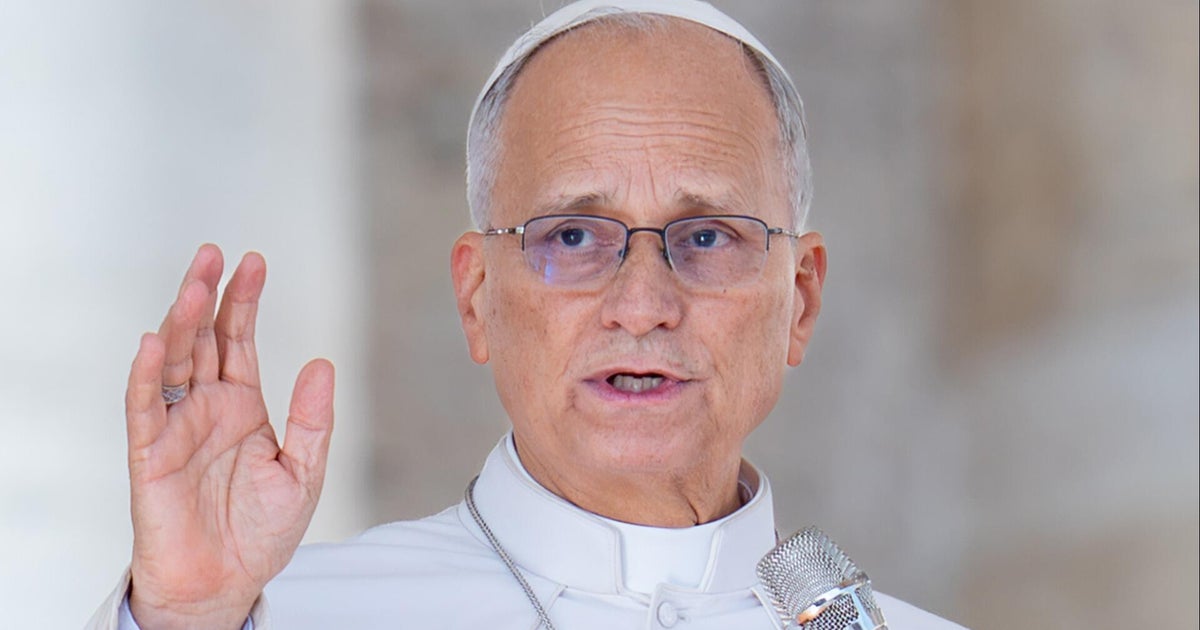
Pope Leo XIV will not require additional treatment for lung cancer after post-operative examinations confirmed the disease remained localized, the Vatican announced on Wednesday. The 71-year-old pontiff underwent surgery on October 13 at Rome's Gemelli Hospital, where surgeons removed the lower lobe of his right lung.
The pope's personal physician, Dr. Luigi Carbone, and his lead surgeon, Dr. Stefano Margaritora, released a joint statement confirming that final histological examinations and molecular biology analyses of tissue removed during surgery confirmed a diagnosis of pulmonary adenocarcinoma—the most common form of lung cancer. "A subsequent oncological assessment confirmed that no further treatment is necessary," the doctors said.
Leo was discharged from the hospital on Saturday, four days after the operation, ahead of the week-long stay initially anticipated by the Vatican. The nodule that prompted the surgery was discovered incidentally during routine abdominal examinations and was not causing symptoms. Early detection and localized disease meant that surgery alone proved sufficient; additional treatment is typically pursued only when post-operative tests reveal evidence of cancer spread or other aggressive characteristics.
Since returning to the Vatican, the pope has made multiple public appearances. He delivered his traditional Sunday blessing from a window overlooking St. Peter's Square on Sunday and held a longer general audience in the square on Wednesday, where he thanked attendees for their prayers. "This experience has given me a profound sense of closeness to all those who are going through illness or a state of infirmity," he said during one of his addresses.
The pope continued carrying out responsibilities while hospitalized, including a telephone conversation with Russian President Vladimir Putin. Dr. Margaritora told Vatican News that there were "no clinical reasons" preventing the pope from proceeding with a planned trip to Uruguay, Argentina, and Peru scheduled for November 6 through 17, which includes a dozen flights, two helicopter rides, and stops at high altitudes. The Vatican's secretary of state has suggested the pontiff may need to adjust the pace of his schedule to support his recovery.
Lung cancer experts noted that the pope's case appears to represent early-stage disease caught through incidental imaging, a scenario in which surgery is highly effective and often curative. Following his recovery, doctors will likely conduct follow-up imaging scans every three to six months for several years, then annually, to monitor for any recurrence. With respiratory physiotherapy, the pope is expected to regain full capacity in the affected lung.