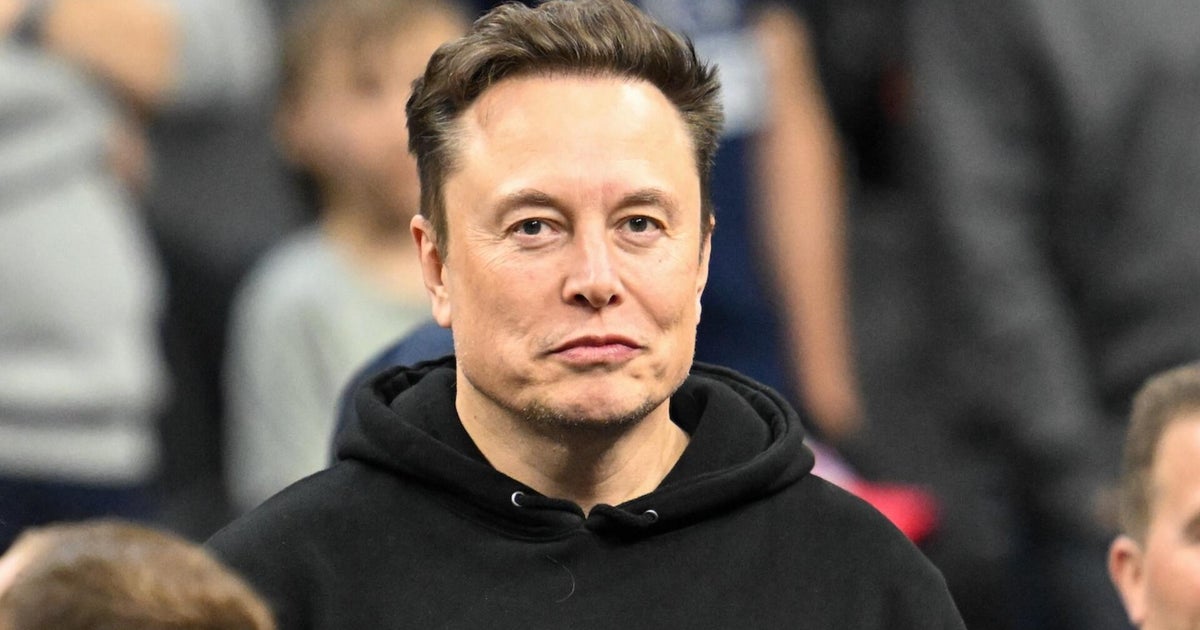
Multiple news outlets reported Tuesday and Wednesday that Elon Musk made a deliberate decision to restrict Ukraine's access to Starshield, a military-grade satellite network operated by his company SpaceX, according to sources familiar with the matter.
The restrictions, which began October 14, significantly degraded Ukraine's ability to operate strike drones and maintain battlefield communications. Regular Starlink terminals have a 70 kilometers-per-hour speed cap, but Starshield had previously operated without such limits and functioned reliably at speeds of at least 160 kilometers per hour—essential for Ukraine's strike drones, which cruise at those speeds or higher. After the restrictions, Ukrainian units reported link drops at speeds as low as 90 kilometers per hour, making those drones inoperable. An analysis by Dimko Zhluktenko, a drone pilot and analyst in Ukraine's Armed Forces, estimated the service degradation cost Ukraine tens of millions of dollars in losses.
Musk held multiple conversations with Trump administration officials leading up to the order, according to sources cited by CBS News, seeking clarity on the president's thinking on the matter. He has expressed distaste with his company being seen as profiting from the continued war between Russia and Ukraine. However, contradictory accounts emerged regarding whether Musk consulted the White House before acting. Some U.S. officials told The Wall Street Journal that Musk imposed the speed cap without consulting the White House, while another source claimed he consulted senior administration figures and President Trump beforehand.
On October 14, Musk denied direct involvement in a post on X, stating: "Starshield systems are owned and controlled by the US government. Any limits on speed or usage are decided by the US military and ultimately POTUS." He added that Starlink commercial service is limited to civilian or defensive activities and cannot be used for offensive military action. It remains unclear how Musk's order to curtail service was technically executed, since he licenses the technology to the U.S. government, which nominally controls access parameters.
Trump administration officials, including Defense Secretary Pete Hegseth and President Trump himself, denied ordering or directing the restrictions. Trump told reporters Friday he was unaware of any slowdown and did not order it. "I don't know if it was anybody, because it wasn't me and I don't think it was Elon," he said. Hegseth told reporters Tuesday the Pentagon had not manipulated the service: "We haven't pulled anything back. There are terms of service that ultimately need to be complied to." An administration official told The New York Post that "this was Pentagon freelancing," denying direct White House involvement.
Ukrainian President Volodymyr Zelenskyy's office told CBS News on Wednesday that Ukraine's use of Starshield remained throttled. Zelenskyy insisted the restrictions came from the U.S. government, though he said he did not know which cabinet or agency ordered them: "It was a message from American government to limit the speed. And technically, SpaceX did it." Secretary of State Marco Rubio denied Tuesday that any service lapse occurred, characterizing any interruption as a technical matter unrelated to any U.S. directive.
Starshield is essential to Ukraine's armed forces for communication and conducting strikes, including maintaining contact with drones across long distances. The military-grade network is available only to Ukraine and occupied territories and is not available in Russia. No working alternative exists, and no direct competitor to SpaceX's satellite constellation comes close in capability.